
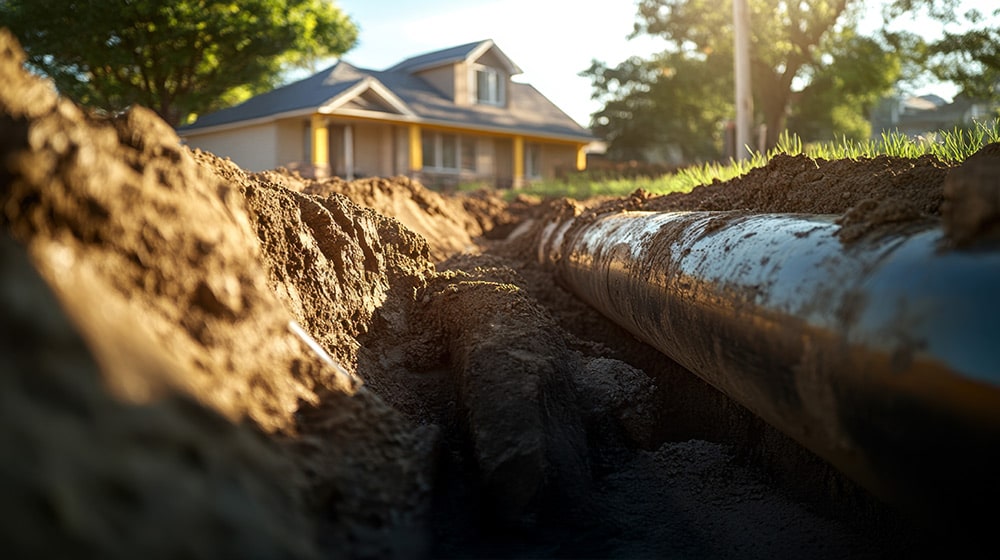
Summer in Atlanta means lush greenery, pop-up storms, and long days outside. But beneath the surface, all that seasonal activity can be tough on your plumbing—especially your sewer line. We see more sewer line damage in summer than any other time of year, and there’s a pretty clear reason why.
Summer is the worst time for sewer line problems in Atlanta due to a combination of factors, including aggressive tree root growth as the city's dense urban tree canopy experiences peak growing season. Atlanta's dense, clay-heavy soil also contributes, as it expands and contracts with summer rains and dry spells, putting significant pressure on underground pipes. Additionally, increased household water usage and heavy stormwater runoff during summer months can overwhelm aging sewer systems, especially those with older clay or cast iron lines common in many Atlanta homes.
If you live in a neighborhood with mature trees, older plumbing, or clay soil (like much of Grant Park, East Atlanta, or Kirkwood), here’s why summer could spell trouble for your sewer line and what to do about it.
How Do Tree Roots Cause Sewer Problems in Atlanta?
Atlanta has one of the densest urban tree canopies in the country, and summer is the peak growing season. Roots naturally seek out water, and sewer lines provide a warm, nutrient-rich source. Even a tiny crack or loose joint is enough to let roots sneak in.
Once inside, they don’t stop. Roots expand quickly, trapping debris, slowing flow, and eventually cracking or collapsing the pipe altogether. If your home has older clay or cast iron pipes, the risk is even higher because these materials are more likely to crack and are a magnet for aggressive roots.
Slow drains, gurgling toilets, or sewage odors could all be early signs of root intrusion. Don’t wait for a full backup.
Need answers fast? Fix & Flow offers non-invasive sewer video inspections that let us locate root problems without tearing up your yard. We also provide comprehensive residential toilet services to ensure your plumbing fixtures stay in top shape while we handle the sewer line.
How Does Atlanta's Clay Soil Affect Sewer Lines?
Most of metro Atlanta sits on dense, clay-heavy soil. In summer, this soil expands when saturated by rain and contracts when it dries out. That puts constant pressure on underground pipes, especially older ones.
As the ground shifts, your sewer line can take the hit—causing joints to loosen, pipes to crack, or sections to dip. This movement is especially common in older neighborhoods where sewer systems may not have been updated for decades.
If you notice a sunken spot or a strangely green patch in your yard, you may have a sewer leak caused by soil movement.
How Does Increased Summer Water Use Strain Your Sewer System?
Summer means more of everything—showers, laundry, guests, and outdoor water use. If your line is even partially blocked by roots or buildup, that extra load can push it over the edge.
And let’s not forget those afternoon downpours. Stormwater can flood the ground and overwhelm aging sewer systems, allowing groundwater or wastewater to back up into your home.
If your toilet bubbles or your drains smell after heavy rain, don’t ignore it. It could be a warning sign.
Older Sewer Lines Are More Likely to Fail
Many Atlanta homes still have clay or cast iron sewer lines, and these pipes are decades past their prime. As they age, they become brittle, corroded, and less able to handle the pressure of summer’s shifting soil and high water demand.
Whether it’s root invasion or just the wear and tear of time, summer often exposes weak spots that were hanging on by a thread. A small issue in spring can turn into a total collapse by mid-July.
Curious what that looks like? Check out our Adair Park project where we replaced a cracked terracotta line that couldn’t handle the pressure.
Common Signs of Sewer Trouble in Summer
Sewer issues don’t always announce themselves with a major backup. In some cases, early warning signs appear in fixtures first, making bathtub repair in Atlanta an early indicator of deeper sewer line problems. Often, it starts with subtle warning signs that something’s off.
Here’s what to watch for this summer:
- Slow or gurgling drains
- Sewage smell inside or outside your home
- Multiple fixtures backing up at once
- Sinkholes or soft spots in your yard
- Unusually green or soggy patches of grass
If you spot any of these red flags, don’t wait until it becomes an emergency.
What Can You Do to Prevent Summer Sewer Problems?
To prevent summer sewer problems, you don’t have to wait for an issue to act. A few proactive steps now can protect your home and your wallet from potential sewer line damage.
1. Schedule a Sewer Video Inspection
Catch issues early with a clear view inside your sewer line. This is a smart move if your home is older or surrounded by trees.
How Can You Be Smart About Water Use to Protect Your Sewer System?
Space out water-heavy tasks like laundry and showers to avoid overloading your system during high-use times, like weekends or when hosting guests.
Why Should You Watch Your Yard for Sewer Problems?
You should watch your yard because ensuring gutters and downspouts direct water away from your home, and fixing soggy areas, can prevent conditions that invite more root growth and potential sewer line damage.
4. Know What’s Planted Over Your Sewer Line
Avoid planting new trees over sewer lines and monitor existing ones with deep or aggressive roots.
5. Call Fix & Flow if You Notice a Problem
Whether it’s a minor root issue or a total collapse, our team of experienced plumbers can handle everything from hydro-jetting to a full sewer line replacement.
Atlanta’s Trusted Sewer Line Experts
Don’t let summer sewer problems stress you out. They’re common, but they’re also preventable.
Fix & Flow Plumbing specializes in sewer line repair, replacement, and inspections for homeowners throughout the Atlanta metro area. From root blockages to collapsing clay pipes, we’ve seen and fixed it all. We offer fast, friendly service, and we never suggest more work than you actually need.
Schedule your sewer line inspection and stay ahead of summer surprises.