 Skip to content
Imagine coming home to find a puddle spreading across your kitchen floor. Suddenly, you’re scrambling for towels, wishing you’d paid more attention to plumbing home services before disaster struck.
This guide is here to help you take control before problems arise. When you know how to care for your plumbing, you protect your comfort, safety, and home value.
Inside, you’ll learn about the systems behind your walls, common issues, when to DIY, how to choose a pro, and simple maintenance tips.
Ready for peace of mind? Keep reading for the answers you need.
Understanding Your Home’s Plumbing Systems
Think of your home's plumbing like a hidden highway system. Water zips in, waste flows out, and everything in between keeps your daily routine running smooth. If you want to get the most from your plumbing home services, it helps to know what’s happening behind the walls and under your floors.
The Anatomy of Residential Plumbing
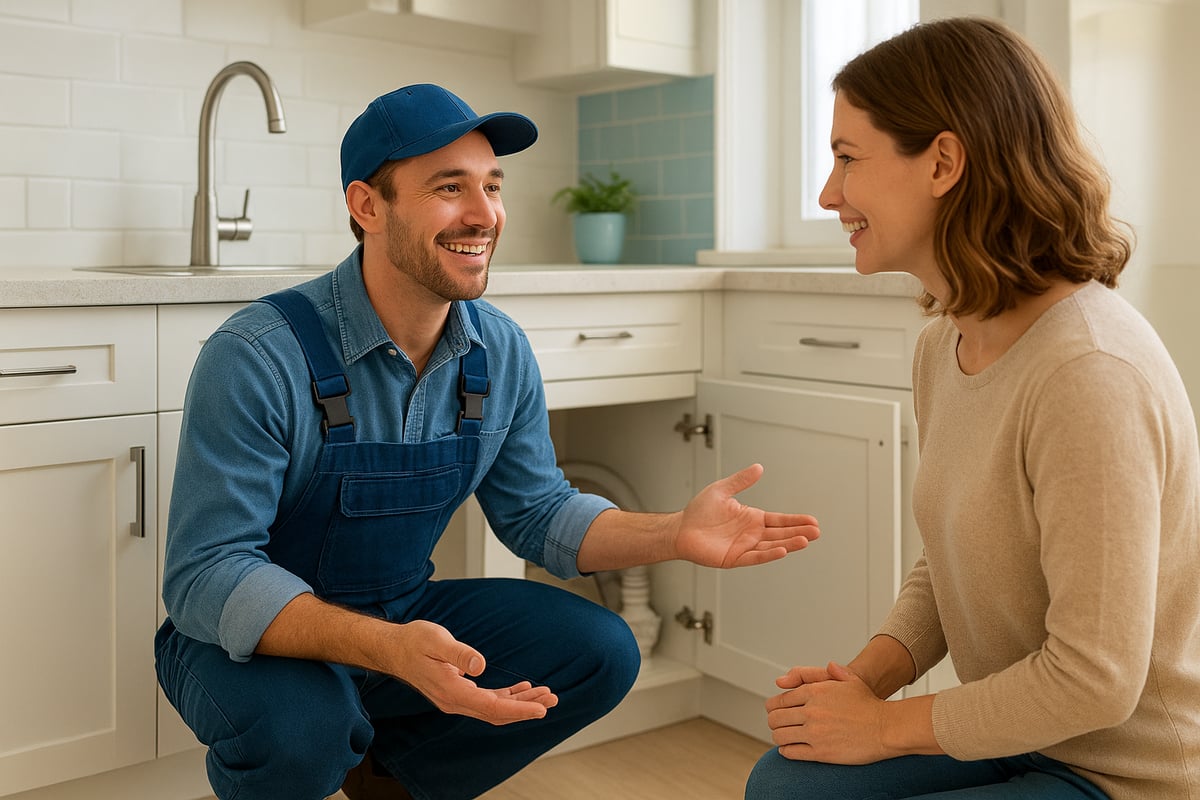
Picture your home's plumbing like your body's circulatory system. The main water supply lines are the arteries, bringing fresh water in from the city or your well. Branching off, smaller pipes feed water to fixtures like sinks, showers, and tubs.
Hot and cold water travel through separate lines, meeting at fixtures where you control the temperature. Shut-off valves act like emergency brakes, letting you stop water flow to certain areas if there’s a problem. Pressure regulators keep things steady, so you don’t end up with a surprise blast or trickle.
The drain-waste-vent system is the exit ramp, carrying away used water and waste, while vents let air in so everything flows freely. Want to dive deeper? Check out this Basics of plumbing systems in MEP engineering article for a simple breakdown.
Understanding these basics gives you an edge when it comes to plumbing home services and helps you spot issues before they become big headaches.
Key Components and Their Functions
Your plumbing home services cover a mix of essential parts, each with its own job. Water heaters are the heart of hot water supply. Here’s a quick comparison:
| Water Heater Type | Pros | Cons |
|---|---|---|
| Traditional Tank | Affordable, simple | Bulky, less efficient |
| Tankless | Energy-saving, small | Higher upfront cost |
| Hybrid | Efficient, eco-friendly | Needs space |
Sinks, faucets, toilets, showers, and tubs are the fixtures you use daily. These come in materials like porcelain, stainless steel, or brass for durability and style.
Sewer lines and drains quietly whisk away waste, while gas lines safely deliver fuel for water heaters and some appliances. Each piece works together, and knowing what’s what helps you get the most value from plumbing home services.
Common Plumbing Materials in 2026
Materials matter more than ever for modern plumbing home services. Copper pipes are classic, lasting decades and resisting bacteria, but they can be pricey. PEX, a flexible plastic, is now in 60 percent of new builds as of 2025—it's easy to install and resists freezing, but sunlight can damage it. PVC is affordable and great for drain lines, though not for hot water.
Eco-friendly options are trending, with more homeowners choosing recycled and durable materials to cut down on waste and save money in the long run.
Understanding your options lets you make smart choices, whether you’re planning an upgrade or just want your plumbing home services to last.
Most Common Plumbing Issues & Warning Signs
Ever had water pooling under your kitchen sink or heard mysterious gurgling sounds from the bathroom? You’re not alone. Plumbing home services are often called in for the same handful of issues, and knowing what to watch for can save you time, money, and headaches. Let’s break down the most common trouble spots and the warning signs you should never ignore.
Leaks, Clogs, and Drips
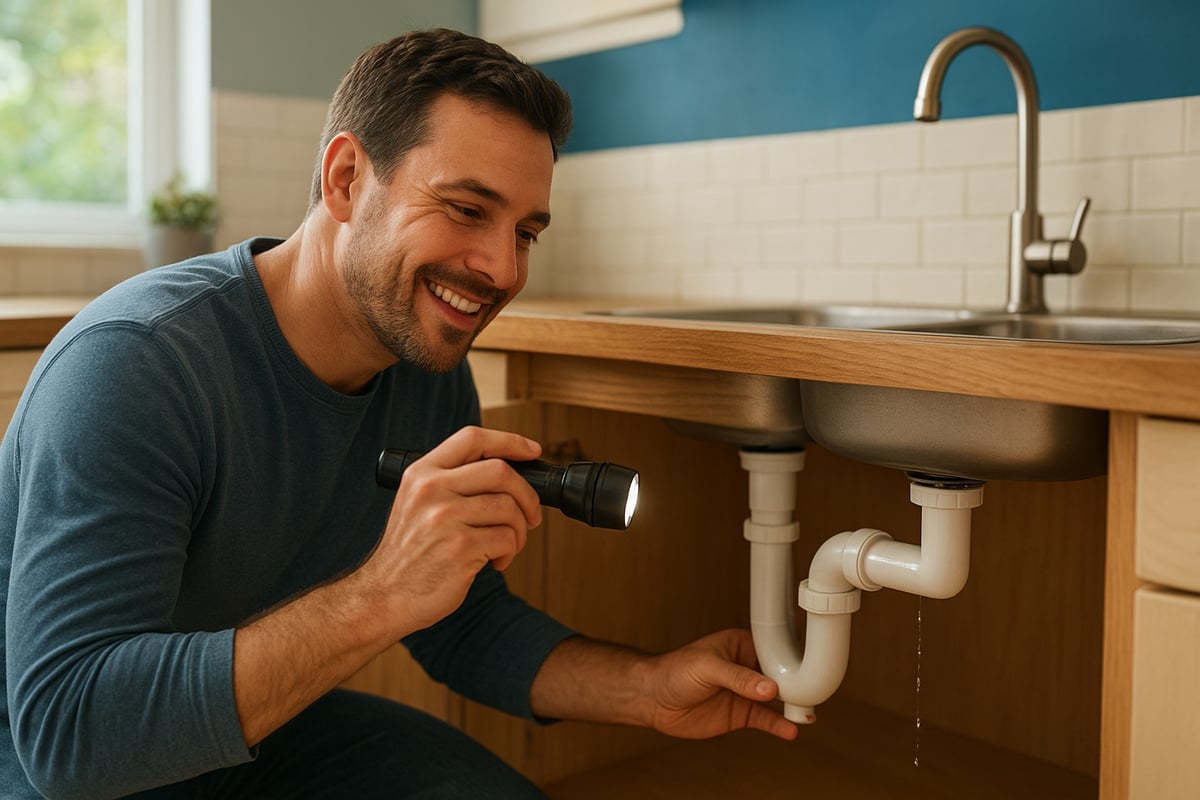
Leaks and clogs are the bread and butter of plumbing home services. You’ll often find leaks lurking beneath sinks, around toilets, inside showers, or even outside at spigots. Early warning signs include water stains on cabinets, low water pressure, or drains that just won’t clear as fast as they used to.
According to the EPA, about 10% of homes have leaks that can waste over 90 gallons of water each day. That’s not just bad for your wallet, but also for the planet. If you want a deeper dive into the causes and fixes, check out this handy guide on common plumbing issues and repairs.
If you notice a slow drip or a puddle that keeps coming back, it’s time to act. Even tiny drips add up fast.
Sewer & Drain Problems
Sewer and drain issues can sneak up on you. Common causes include tree roots, grease buildup, or just aging pipes. The big red flags? Gurgling noises, funky odors, and multiple slow drains at once.
If your tub, sink, and toilet are all sluggish, your main sewer line might be the culprit. Plumbing home services can diagnose these problems before they become a major backup. Regular maintenance helps keep your drains moving and your home fresh. For expert care, check out sewers & drains.
Don’t ignore those warning signs. The sooner you act, the less likely you’ll face a messy, expensive cleanup.
Water Heater Troubles
Ever turned on the shower and gotten a blast of cold water when you expected warmth? Water heater issues are another top reason people call for plumbing home services. Signs of trouble include inconsistent temperatures, strange popping or rumbling noises, or water pooling around the base of the heater.
If your hot water runs out quickly or you notice rust in the water, it might be time to repair or replace your unit. Listen for odd sounds—they can mean sediment is building up inside. Learn more about solutions by visiting water heaters.
Handling water heaters isn’t a DIY job for most folks. Call the pros if you notice these warning signs.
Gas Leaks and Safety
A gas leak is one of the most serious calls for plumbing home services. If you ever smell rotten eggs or hear a faint hissing near your gas lines, act fast. Evacuate your home, avoid using electronics, and call a professional immediately.
Plumbers are trained to handle gas lines safely. Never try to fix a gas leak yourself. For peace of mind, keep the number for gas leak repair handy.
Your safety comes first. Don’t take risks with gas—leave it to the experts.
Fixture Failures
Fixtures like toilets, faucets, and shower handles get daily use. Common failures include running toilets, constant drips, or broken handles. Did you know a leaky faucet can waste over 3,000 gallons of water per year?
If your toilet keeps running or you hear a drip at night, don’t wait. Small repairs now prevent bigger problems later. For help, check out toilets and sinks & faucets.
Stay alert to these common issues and your home will thank you.
DIY Plumbing Fixes vs. Professional Help
Ever found yourself staring at a slow-draining sink and wondering, “Should I try to fix this or call someone?” You’re not alone. With so many options for plumbing home services, it’s tempting to grab a wrench and tackle repairs yourself. But knowing when to DIY and when to bring in the pros is key to saving money, time, and stress.
When DIY Makes Sense
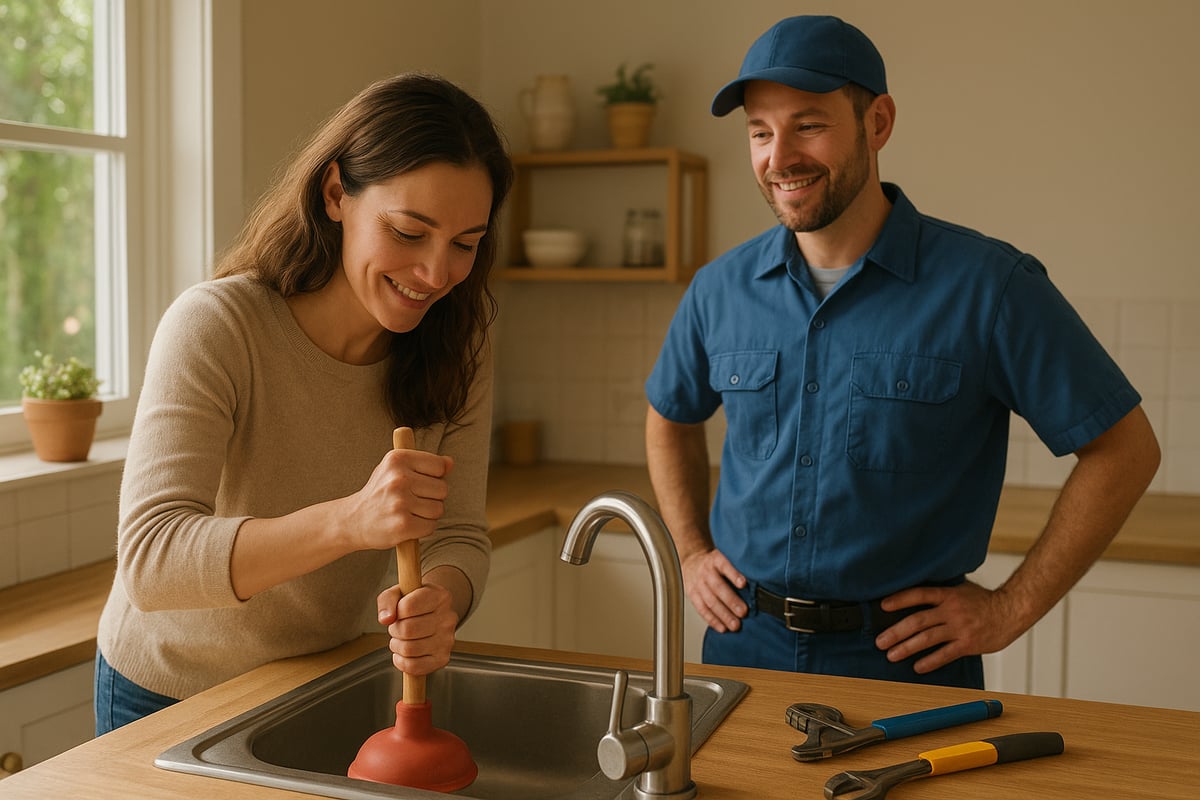
Some plumbing home services are straightforward and safe for most homeowners. Got a stubborn clog? A plunger or drain snake can often do the trick for sinks and tubs. Swapping out a leaky faucet washer or replacing a showerhead is usually simple, too.
Stick to these tasks if you’re comfortable:
- Clearing basic clogs with basic tools
- Replacing faucet washers
- Installing new showerheads
- Using safe, non-corrosive cleaners
Remember, always turn off the water supply before you start. If you’re unsure about a repair, check out this helpful guide on common plumbing problems homeowners face to see if it’s a job for you or a professional.
When to Call a Pro
Some plumbing home services need a licensed expert. Persistent leaks, major clogs, or sewage backups are classic signs it’s time to call in the cavalry. Water heater repairs or replacements aren’t DIY jobs, and any gas line issues require a certified pro for safety.
Call a professional for:
- Any water heater repair or replacement
- Gas line concerns (never DIY)
- Sewer line or main drain backups
- Bathroom remodels or fixture upgrades
Choosing a skilled plumber means your repairs meet code and come with warranties, giving you peace of mind.
Risks of DIY Mistakes
DIY can save money, but it comes with risks. If you misjudge a repair, water damage or even voided warranties can be the result. According to an industry survey, 23% of DIY plumbing home services attempts end up needing bigger, more expensive fixes.
Here’s a quick side-by-side to help weigh your options:
| DIY Repairs | Professional Services |
|---|---|
| Save on labor | Guaranteed workmanship |
| Quick fixes for minor issues | Code compliance |
| Risk of mistakes or damage | Warranties on repairs |
| No insurance if things go wrong | Safety and peace of mind |
When in doubt, it’s smart to consult a pro. Proper plumbing home services protect your property and wallet over the long haul.
Choosing the Right Plumbing Service in 2026
Picking the right plumbing home services can feel overwhelming, right? With so many options, it’s easy to get lost in the details. The good news? When you know what to look for, you can hire with confidence and protect your home.
What to Look For in a Plumber
When you’re searching for plumbing home services, start with the basics. Make sure the plumber is licensed and insured. Look for certifications and check if they have experience with your type of home.
A good local reputation is huge. Ask around in your neighborhood or check reviews. Transparent pricing and free estimates are a must. You want emergency service availability too, especially if you ever wake up to a surprise leak at 2 a.m.
For more tips, check out Choosing a good plumbing company for a deeper dive into what sets a quality pro apart.
Questions to Ask Before Hiring
Before you commit to plumbing home services, ask for references. Good plumbers won’t hesitate to provide them. What about warranties? Get the details on what’s covered and for how long.
Ask about their typical response times and if they can work around your schedule. Be upfront about materials and labor costs. Clear answers mean fewer surprises later.
A quick chat will give you a sense of their communication style and professionalism. Trust your gut—if something feels off, keep looking.
Comparing Quotes and Services
Not all plumbing home services are created equal. When you get multiple quotes, don’t just jump at the lowest price. Ask for a breakdown of what’s included.
Understand the full scope of work. Are there potential add-ons or hidden fees? Make a simple table to compare services side by side:
| Company Type | Pros | Cons |
|---|---|---|
| Local | Knows area codes, fast response, personal touch | May have limited staff |
| National | Bigger teams, more resources | Less personal, may not know local issues |
This helps you see who offers the best value for your needs.
Red Flags to Avoid
Be cautious if a company offers prices that seem too good to be true. No license or insurance? Move on. Poor communication is a red flag—good plumbing home services keep you in the loop.
Check online reviews and see how they handle complaints. Unresolved issues or bad ratings? That’s your cue to look elsewhere.
Choosing a local company gives you the benefit of plumbers who know Atlanta’s unique plumbing challenges. They understand the climate and local codes, so you get solutions that last.
Preventative Maintenance & Plumbing Upgrades
Stay ahead of costly surprises by making preventative care part of your plumbing home services routine. A little attention now means fewer headaches, less mess, and more money in your pocket down the road.
Regular Plumbing Inspections
Think of annual plumbing inspections as a wellness check for your home. A pro will examine pipes, fixtures, and water pressure, catching trouble before it grows.
Curious what’s involved? Inspections usually include leak detection, pressure tests, and drain flow checks. This quick step can prevent those surprise floods or pipe bursts that leave everyone scrambling.
Want to go deeper? Check out these plumbing inspections for homeowners for a full breakdown of the process and why it matters for your plumbing home services.
Proactive Leak Detection
Leaks are sneaky. They can hide behind walls or under floors, quietly wasting water and causing damage. The good news? Smart leak sensors and auto shut-off valves are changing the game for plumbing home services.
Install these gadgets and you’ll get instant alerts if something goes wrong. Early detection means less water waste and fewer repair bills. Peace of mind, delivered straight to your phone.
Eco-Friendly Upgrades
Thinking about upgrades? Eco-friendly options are everywhere in modern plumbing home services. Low-flow toilets, faucets, and showerheads help you save water without sacrificing comfort.
Tankless and hybrid water heaters are also trending. They deliver hot water on demand and cut down on energy use. Over time, these upgrades pay for themselves through lower utility bills and a smaller carbon footprint.
Drain & Sewer Maintenance
Clogs and backups are never fun, but regular drain and sewer care keeps things flowing smoothly. Simple habits like using strainers and avoiding grease down the sink can go a long way.
For deeper cleaning, schedule professional snaking or root prevention. Want more tips? Dive into these sewer and drain maintenance tips to keep this part of your plumbing home services checklist hassle-free.
Water Quality Improvements
Ever wonder if your tap water could be better? Water filtration systems are a smart addition to any plumbing home services plan. They filter out minerals, chemicals, and contaminants, giving you cleaner, fresher water.
If you deal with hard water, filtration can also help protect your pipes and appliances from buildup. It’s a small upgrade that makes a big impact on daily life.
Planning for Remodels & Cost Savings
If you’re thinking about bathroom upgrades, now’s the time to plan for comfort and value. Modern fixtures and efficient layouts give your space a fresh feel and can even boost your home’s worth.
The best part? Industry data shows preventative maintenance can reduce plumbing costs by up to 30%. Investing in quality plumbing home services now means fewer surprises—and more to spend on things you love later.
Now that you’ve got the inside scoop on what keeps your home’s plumbing humming along, isn’t it nice knowing you don’t have to tackle every little leak or upgrade on your own? Whether you’re thinking about a big bathroom remodel, have a stubborn clog that just won’t quit, or want some expert eyes on your pipes for peace of mind, Fix & Flow Plumbing Co. is right here in Atlanta, ready to help. Why not take the next step toward a worry free home? Book Appointment today and let’s make your 2026 plumbing goals a reality together.