 Skip to content
Imagine starting your morning with a leaky faucet or a stubborn clogged drain. It throws off your whole routine, right? If you’re like most homeowners or property managers, plumbing and installation challenges can feel overwhelming and confusing.
That’s where this 2026 guide comes in. You’ll get clear, step-by-step help for repairs, upgrades, and ongoing maintenance—so you can feel confident tackling anything from a simple drip to a big renovation.
Ready to make plumbing simple? Dive in for practical tips, expert strategies, and real-world tricks to keep your home or business running smoothly. We’ll cover basics, must-have tools, installation steps, troubleshooting, safety, and when to call in the pros.
Plumbing Fundamentals: Understanding Your Home’s System
Ever wonder what’s happening behind your walls every time you turn on the tap or flush the toilet? Understanding your home’s plumbing and installation system is like having a roadmap for every drop of water in your house. Let’s break it down together, so you feel confident about what’s really going on beneath the surface.

The Core Components of Residential Plumbing
Your plumbing and installation system is made up of a few key parts:
- Water supply lines (bring fresh water in)
- Drain-waste-vent (DWV) pipes (carry used water out)
- Fixtures like sinks, toilets, showers, and tubs
Hot and cold water lines work together, using shut off valves to control flow. Pressure regulators help keep everything running smoothly and prevent bursts.
How Plumbing Systems Work Together
Every piece of your plumbing and installation setup is connected. Water flows from the main line through pipes to your fixtures, then heads back out to the sewer. Some pipes rely on gravity, while others use water pressure. Vents are crucial, letting air in so drains work properly and no funky sewer gas sneaks up.
Common Pipe Materials and Their Uses
Choosing the right pipe is a big deal in plumbing and installation. Here’s a quick table to compare your options:
| Material | Pros | Cons | Lifespan |
|---|---|---|---|
| PEX | Flexible, easy to install | Sensitive to UV | 40–50 years |
| Copper | Durable, resists bacteria | Expensive, can corrode | 50+ years |
| PVC | Cheap, doesn’t rust | Not for hot water | 25–40 years |
| Galvanized Steel | Strong, used in old homes | Rusts, hard to work with | 20–50 years |
Did you know PEX has become super popular? In fact, 70% of new homes in 2025 used it.
Key Plumbing Codes and Regulations for 2026
Staying up to date with plumbing and installation codes is key for safety and compliance. Local permits are often required before you start. New rules are popping up, like stricter lead free laws and water saving standards. For example, the EPA’s WaterSense program is being widely adopted to boost efficiency. It’s smart to check the 2024 International Plumbing Code® if you want all the latest updates.
Essential Plumbing Terminology
Let’s get you speaking the language of plumbing and installation. Here are some must know terms:
- Trap: Curved pipe under sinks, stops sewer gases
- Vent: Pipe that lets air into the drain system
- Riser: Vertical water pipe
- Cleanout: Access point for clearing clogs
Knowing these words helps you talk with a pro, and makes DIY fixes way less confusing.
Interlink: Plumbing Inspections
Regular checkups keep your plumbing and installation system healthy. Inspections can catch small leaks, pipe corrosion, or venting issues before they turn into big headaches. Want a deep dive on what to look for? Check out this handy Plumbing inspections checklist to make sure nothing slips through the cracks.
Must-Have Tools and Materials for Plumbing Projects
Getting started with plumbing and installation projects at home? The right tools make everything easier, safer, and a whole lot less stressful. A good toolkit is your first line of defense against leaks and drips.
Basic Toolkit for Homeowners
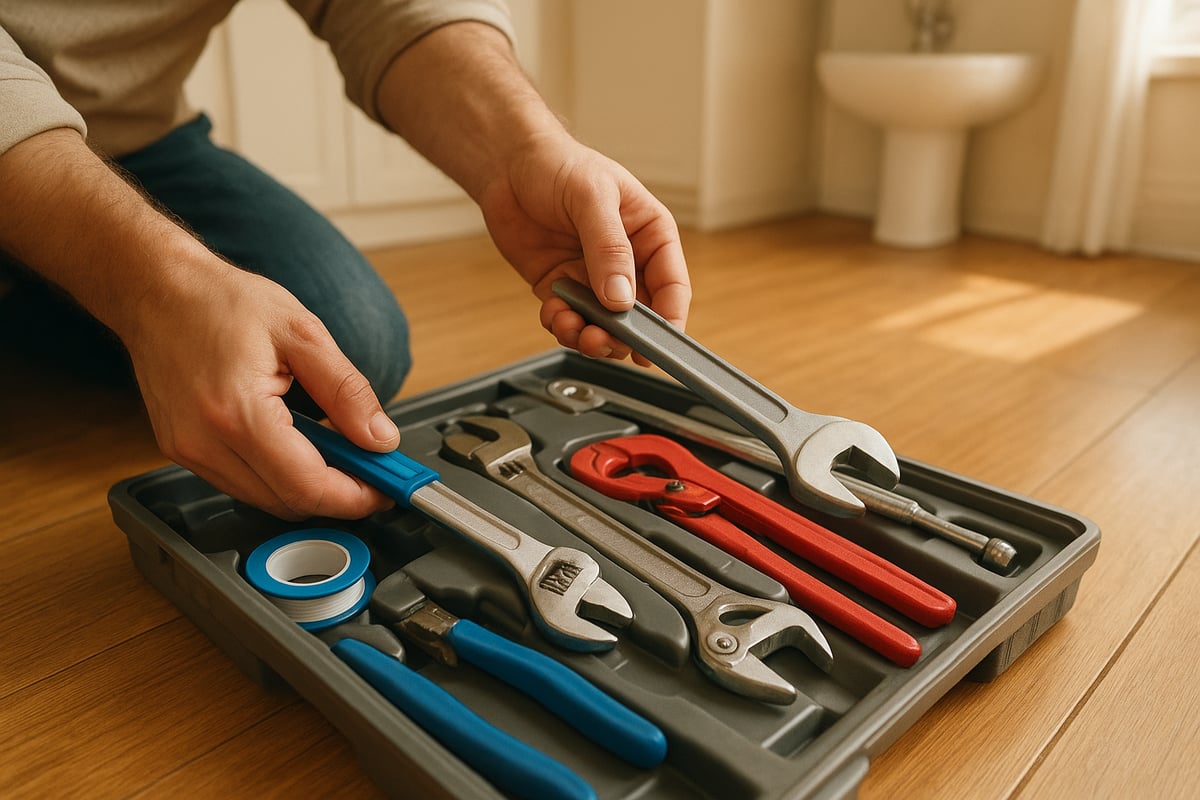
Every plumbing and installation adventure starts with a few must-haves. Grab an adjustable wrench, tongue-and-groove pliers, a pipe cutter, Teflon tape, and a trusty plunger. You’ll love having a basin wrench for tight spots under sinks. With these basics, you’re set for quick repairs or upgrades.
- Adjustable wrench
- Plumber’s pliers
- Pipe cutter
- Teflon tape
- Plunger
- Basin wrench
Specialized Tools for Advanced Installations
Sometimes plumbing and installation jobs call for the big guns. For larger projects, you might need a pipe threader, soldering kit, drain snake, or even an inspection camera. If you’re not planning to use these often, renting can be smart and affordable, saving precious storage space at home.
- Pipe threader
- Soldering kit
- Drain snake
- Inspection camera
Choosing the Right Pipes and Fittings
Picking the right pipes and fittings is a big part of successful plumbing and installation. Always check sizing and compatibility—mixing materials can cause trouble. Push-to-connect fittings are a game-changer for fast repairs, especially with PEX or copper. Look for clear labels and double-check before you buy.
Sealants, Glues, and Tapes
For every joint or threaded connection, you’ll need the right sealant. Teflon tape is perfect for threaded pipes, while pipe dope adds extra leak protection. PVC cement is the go-to for plastic pipes. Apply carefully, follow the directions, and always give adhesives enough time to set before testing.
Safety Gear Every DIYer Needs
Stay safe on every plumbing and installation project. Wear sturdy gloves to protect your hands from sharp pipe edges and chemical cleaners. Safety goggles keep your eyes safe from debris and splashes. Knee pads are a lifesaver for floor work, and a mask is smart when working with dust or chemicals.
- Gloves
- Safety goggles
- Knee pads
- Face mask
Material Costs and Budgeting Tips
Plan your plumbing and installation budget before you shop. Pipes, fittings, and fixtures vary widely in price. Most homeowners spend between $300 and $500 per year on basic repairs. For a detailed breakdown, check out this Cost of plumbing services guide to help you plan smarter and avoid surprises.
Step-by-Step Plumbing Installation Guide
Ready to tackle your own plumbing and installation project? This step-by-step guide walks you through everything, whether you’re updating a kitchen, fixing a leak, or planning a full remodel. Let’s make your next plumbing and installation job smooth and stress-free.
Planning Your Project: Assess and Measure
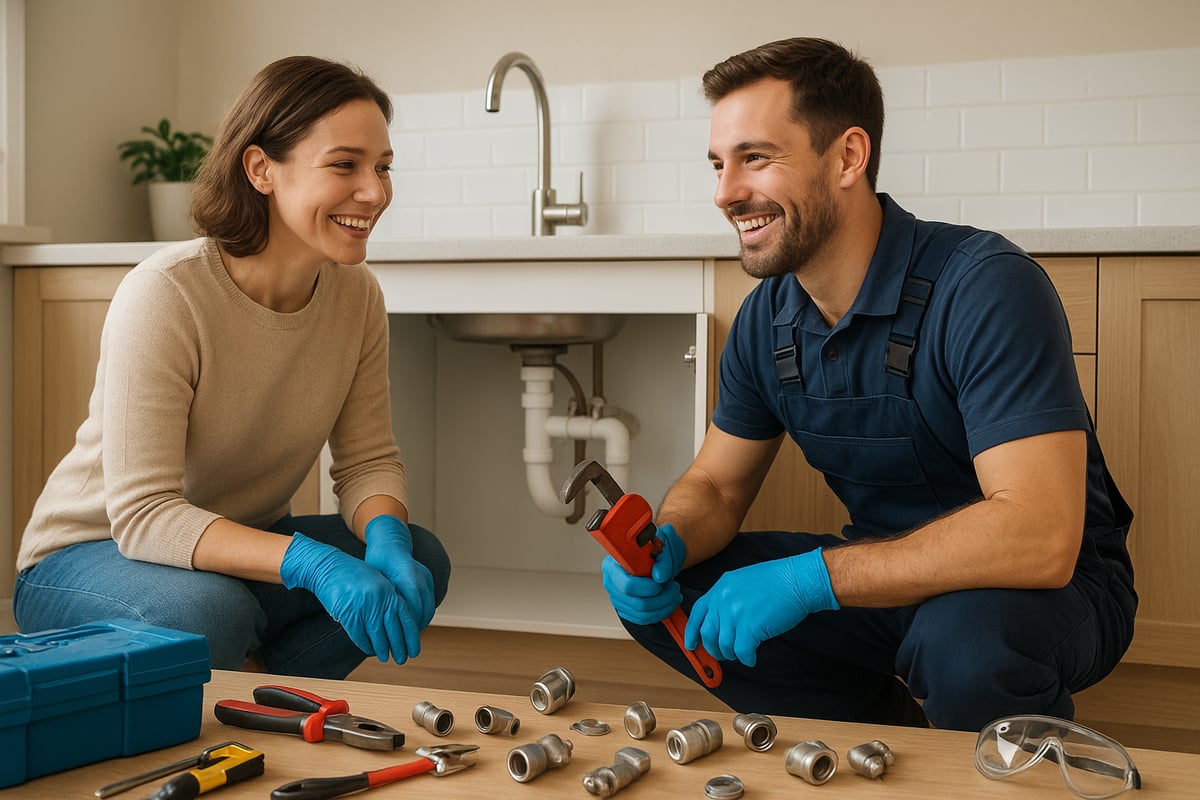
Before you touch a single pipe, map out your plumbing and installation plan. Start by sketching your space. Mark every fixture—sink, toilet, tub, or appliance. Measure twice, cut once, right?
Check where your water lines and drains run. If you’re remodeling a bathroom, lay out where new pipes or fixtures will go. This step saves headaches later.
Shutting Off Water and Preparing the Area
Always find your main shut-off valve before any plumbing and installation. Turn it off, then open the lowest faucet to drain the system.
Protect floors with drop cloths and move furniture out of the way. Take photos of the area before you start. It’ll help if you need to put things back or spot a problem later.
Installing or Replacing Pipes
Time for the real hands-on work. Cut pipes to length, deburr edges, and dry-fit everything before you glue or crimp. For PEX, use crimp rings and a dedicated tool for secure, leak-free joints.
If your system is old and you’re considering a full overhaul, check out this guide on why repipe your home for tips and signs it’s time. Match pipe materials and fittings for a smooth plumbing and installation.
Setting Fixtures: Sinks, Toilets, and Faucets
Install new sinks and faucets by following the manufacturer’s steps. Use a basin wrench for tight spots. For toilets, set the wax ring carefully, then bolt down evenly.
Need more help? Visit our Sinks & Faucets and Toilets pages for detailed guides and support.
Connecting Drains and Vents
Drainage is all about slope. Make sure pipes angle downward at least 1/4 inch per foot. Connect vent stacks to keep water flowing and prevent sewer smells.
Double-check connections for tightness. A loose joint now can mean a big mess later. Good venting is key for safe plumbing and installation.
Testing for Leaks and Final Checks
Turn the water back on slowly. Watch every joint for drips. Use an inspection camera for hard-to-see spots behind walls or under floors.
If you spot a leak, shut off the water, tighten fittings, and try again. Test every fixture—run water, flush toilets, check drains. Your plumbing and installation isn’t done until everything is leak-free.
Bathroom Remodeling
Thinking bigger? If you’re planning a full bathroom upgrade, decide what you can DIY and when to call a pro. Some jobs, like moving drains or rerouting supply lines, may need expert help.
Check out our bathroom remodeling page for design tips, budgeting, and when to bring in licensed pros for complex plumbing and installation projects.
Troubleshooting Common Plumbing Problems
Plumbing can throw you a curveball at any time, but you don't have to panic. With this plumbing and installation guide, you'll know how to spot trouble, fix the basics, and decide when it's time to call in the experts. Let's dig into the most common headaches and how to handle them.
Diagnosing Leaks and Drips
If you notice water stains on your ceiling or a musty smell under your sink, you might have a hidden leak. Check under sinks, behind appliances, and around toilets for moisture or mold. Use your plumbing and installation know-how to feel along pipes for dampness.
A simple flashlight and dry cloth can reveal drips you might miss. If you find a leak, tighten fittings or replace worn washers before the issue grows.
Clearing Clogged Drains and Toilets
A slow drain or a stubborn toilet clog can really disrupt your day. Start with a plunger and use steady, gentle pressure. If that doesn’t work, a drain auger can help clear deeper blockages.
For tough clogs, enzymatic drain cleaners are safer for your pipes than harsh chemicals. And if you’re facing chronic backups, check out our Sewers & Drains services for professional help.
Fixing Low Water Pressure
Does your shower feel more like a drizzle than a downpour? Low water pressure is a common plumbing and installation issue. Causes include sediment in pipes, faulty pressure regulators, or leaks.
Try cleaning faucet aerators first. If pressure is still low, check for leaks along visible pipes or consider replacing old regulators. Persistent problems might mean there’s a bigger issue hidden in your system.
Addressing Noisy Pipes and Water Hammer
Banging pipes or loud thuds when you turn off the tap? That’s water hammer, and it’s surprisingly common. Secure loose pipes with brackets and add water hammer arrestors to absorb shock.
According to recent data, 30 percent of homes report water hammer issues. If you’re unsure where the noise comes from, a plumber can track it down and keep your pipes peaceful.
Water Heater Issues: No Hot Water or Strange Noises
No hot water in the morning is no fun. Start by checking if the pilot light is out or if the thermostat needs adjustment. If you hear rumbling or popping, sediment may have built up in the tank.
Flush your water heater yearly to prevent buildup. For ongoing issues, explore our Water Heaters, Tankless Water Heaters, or Hybrid Water Heaters services. Your plumbing and installation project is easier with the right support.
When to Call a Professional Plumber
Some problems are too risky to tackle alone. If you spot a major leak, suspect a gas line issue, or face persistent clogs, call a pro. Gas leaks, in particular, need immediate attention—check out our Gas Leak Repair for emergency help.
When in doubt, play it safe. A licensed plumber can protect your home and family, saving you from bigger headaches down the road.
Safety, Maintenance, and Preventative Care
Keeping your plumbing and installation systems in top shape is not just about saving money. It is about peace of mind, too. A few simple routines and some smart safety steps can help you avoid messy surprises and expensive repairs.
Plumbing Safety Best Practices
Safety always comes first with any plumbing and installation project. Before you start, make sure to turn off the water and, if needed, the power. Open windows or use fans to keep your workspace well ventilated.
Wear gloves to protect your hands and goggles to shield your eyes from debris or splashes. Remember, water and electricity never mix, so always check for nearby outlets before working in wet areas.
Routine Maintenance Checklist
Consistent plumbing and installation maintenance can prevent headaches down the road. Start by inspecting under sinks and behind appliances for leaks. Check your water pressure and look for any signs of corrosion on pipes.
Clean your drains every few months and flush your water heater at least once a year. These simple habits keep your system running smoothly and help you spot issues early.
Winterizing and Seasonal Care
Cold weather can be tough on plumbing and installation systems. Insulate exposed pipes in basements, attics, and crawl spaces to prevent freezing. Disconnect and drain outdoor hoses before the first frost.
If you travel during winter, keep your home heated to at least 55°F. Frozen pipes can burst and cause thousands in damage, so a little prep goes a long way.
Water Quality and Filtration
Your plumbing and installation setup is only as good as the water running through it. Test your water once a year for contaminants and consider adding a filtration system if needed.
Filters can reduce sediment, chlorine, and even lead, giving you safer, better-tasting water. Good filtration also helps your fixtures and appliances last longer.
Backflow Prevention and Cross-Connection Control
Backflow can contaminate your water supply, so backflow preventers are a must for any modern plumbing and installation system. These devices stop dirty water from flowing back into your clean lines.
A simple example is using a vacuum breaker on outdoor spigots or garden hoses. This keeps pesticides and fertilizers from entering your home’s water.
Professional Support: Fix & Flow Plumbing Co.
Sometimes, plumbing and installation jobs need a pro’s touch. Licensed experts like Fix & Flow handle complex repairs, remodels, and emergencies around the clock.
With the plumbing industry projected to reach $169.8 billion in 2025, it is clear that ongoing maintenance and professional support matter more than ever. Count on guaranteed workmanship and long-term solutions for your peace of mind.
Upgrading and Remodeling: Modern Plumbing Trends for 2026
Thinking about a home refresh? The world of plumbing and installation is changing fast, and 2026 is packed with smart, eco-friendly trends. Let’s check out what’s new, what’s smart, and what delivers the biggest impact for your space.
Smart Plumbing Technology
Smart plumbing and installation tech is everywhere in 2026. Leak detectors, Wi-Fi shut-off valves, and water-tracking apps are now as common as smart thermostats. Imagine getting an alert on your phone before a leak becomes a flood. These upgrades help you save water, cut costs, and avoid nasty surprises.
Eco-Friendly Fixtures and Water Conservation
Water conservation is a top priority. Low-flow toilets, efficient faucets, and smart showerheads are now standard in most modern homes. These fixtures don’t just save water—they help lower your utility bills, too. In fact, WaterSense-certified products can cut usage by over 20 percent without sacrificing performance.
Tankless and Hybrid Water Heaters
If you want to maximize efficiency, tankless and hybrid water heaters are the way to go. They deliver hot water on demand and use less energy, which means savings for you. Curious about the ins and outs of these systems? Check out this detailed water heater installation guide to see if it’s the right plumbing and installation solution for your home.
Bathroom and Kitchen Renovation Tips
Planning a remodel? Start with a clear vision and a solid budget. Upgrading sinks, faucets, and toilets can instantly modernize your space. Don’t forget smart layouts—think about accessibility, storage, and lighting. With the right plumbing and installation approach, you’ll boost both style and function.
Plumbing Upgrades for Aging-in-Place and Accessibility
Making your home comfortable for everyone is easier than ever. Touchless faucets, walk-in tubs, and grab bars are popular upgrades. ADA-compliant bathroom designs make daily routines safer and more convenient. These plumbing and installation updates help you or your loved ones stay independent longer.
Preparing for Future Plumbing Innovations
The plumbing and installation world is always evolving. Digital tools are changing how plumbers work and how homeowners interact with their systems. For more on this, see the latest digital transformation in the plumbing industry. Staying informed means your home will be ready for the next big thing.
Alright, you’ve made it through the essentials—pretty empowering stuff, right? Whether you’re itching to tackle that leaky faucet on your own or you’re planning a full bathroom upgrade, having a solid handle on plumbing basics makes all the difference. Still, sometimes a project just calls for the steady hand of a pro. If you’re ready to take the next step—maybe you want expert advice, or maybe you’d rather skip the guesswork altogether—you can always Book Appointment. Fix & Flow Plumbing Co. is here to help, whenever you need us.