 Skip to content
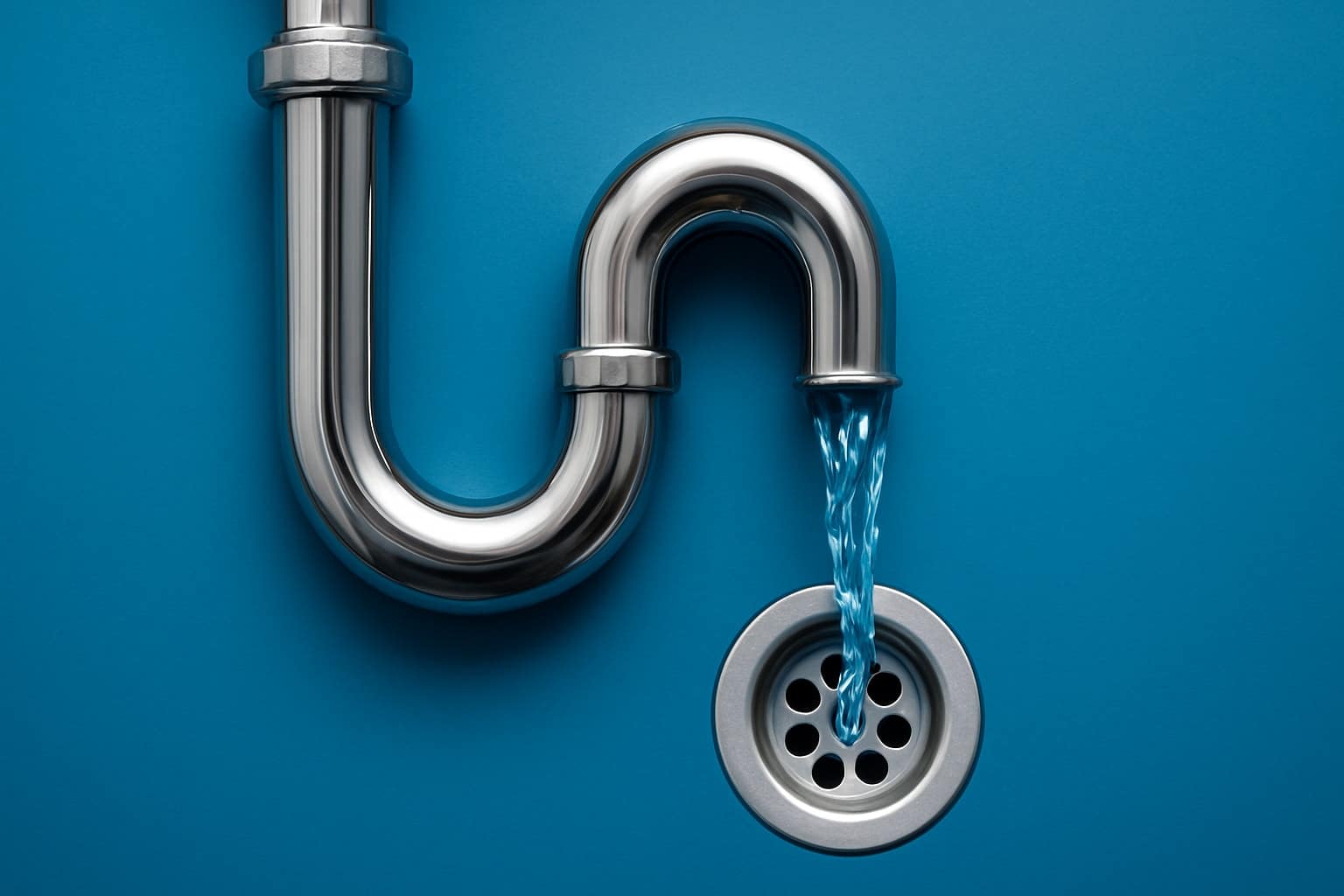
Ever had a pipe burst or a drain clog right before guests arrive? You’re definitely not alone. Plumbing surprises have a knack for showing up when you least expect them.
That’s why this complete plumbing and drain guide is here to help. We’re bringing you real-world advice, fresh tips, and step-by-step solutions for every challenge Atlanta homeowners might face in 2026.
You’ll learn the basics, spot the latest trends, master simple drain care, and discover smart upgrades. Plus, you’ll know exactly when it’s time to call in the pros.
Ready for a home that runs worry-free? Let’s dive in.
Plumbing System Basics: What Every Homeowner Needs to Know
Let’s start with the basics. If you know how your home’s plumbing works, you can handle small issues and spot trouble before it grows. The complete plumbing and drain system in your house is more than pipes behind the wall—it’s the heartbeat of your home’s comfort.
Understanding Your Home’s Plumbing Layout
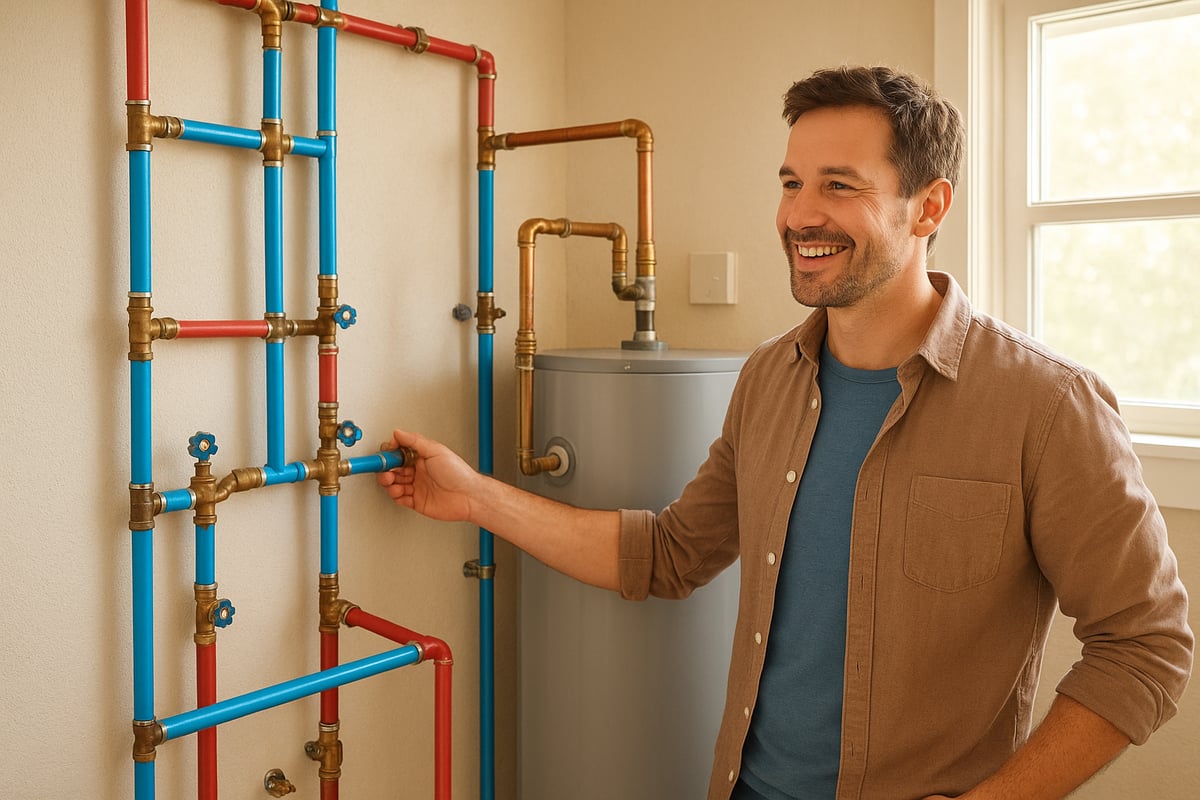
Picture your home’s plumbing like a superhighway for water. You’ve got main supply lines bringing clean water in and drain-waste-vent (DWV) systems carrying waste out. In Atlanta, most homes in 2026 use a mix of PEX, copper, and PVC pipes.
You’ll often find shut-off valves under sinks, behind toilets, and where the main line enters your house. These are your first defense during leaks. Water pressure is managed by a regulator near your main shut-off. Knowing where these parts are keeps your complete plumbing and drain system ready for anything.
Key Plumbing Components Explained
Every complete plumbing and drain setup has a few must-know parts. Water heaters (traditional, tankless, or hybrid) keep showers hot. Toilets, sinks, and faucets are your daily touchpoints. Dishwashers and washing machines link right into the system, and each has its own quirks.
Sewer and drain lines handle all the wastewater, sending it safely away. Regular plumbing inspections catch small issues—like a worn washer or slow drain—before they balloon into big headaches. If you keep tabs on these components, you’ll save money and stress down the road.
Common Plumbing Problems and Their Causes
Most problems in a complete plumbing and drain system come from leaks, clogs, or aging pipes. Running toilets and low water pressure bug many Atlanta homeowners, especially in older houses with galvanized pipes. Hard water can build up minerals inside pipes, causing slowdowns and corrosion.
Did you know over 40 percent of U.S. homeowners deal with leaks every year? If you spot water pooling or hear constant dripping, it’s time to act. Sometimes, a repair means patching a small section, but bigger issues—like those seen in this drain and water line replacement project—show why understanding your system is so important.
Modern Drain Care: Prevention, Maintenance, and Repair
Ever wonder why your drains suddenly slow down or start making odd noises? The truth is, drain problems can sneak up fast. Understanding how your home's drains work is a huge step toward a complete plumbing and drain solution. Let’s dig in and keep your pipes flowing smooth.
How Drains Work in Today’s Homes
Every drain in your house is part of a bigger system—either gravity-fed or pump-assisted. Gravity-fed systems use the natural slope of pipes to move wastewater out, while pump-assisted setups help homes with tricky layouts or lower basements.
You want your complete plumbing and drain system to handle everything you throw at it, but not all things belong in your pipes. Only water, soap, and approved waste should go down the drain. Tossing in grease, coffee grounds, or wipes? That’s a recipe for clogs.
Keep an eye out for these warning signs:
- Slow drainage from sinks or tubs
- Gurgling sounds after water runs
- Unpleasant odors coming up from drains
Spotting these early can save you a lot of hassle and money.
Step-by-Step Drain Maintenance for 2026
A little regular care goes a long way for your complete plumbing and drain system. Here’s a simple routine you can follow:
- Monthly: Flush kitchen and bathroom drains with hot water.
- Quarterly: Use enzyme-based cleaners to break down organic buildup.
- Yearly: Inspect traps and clean out debris.
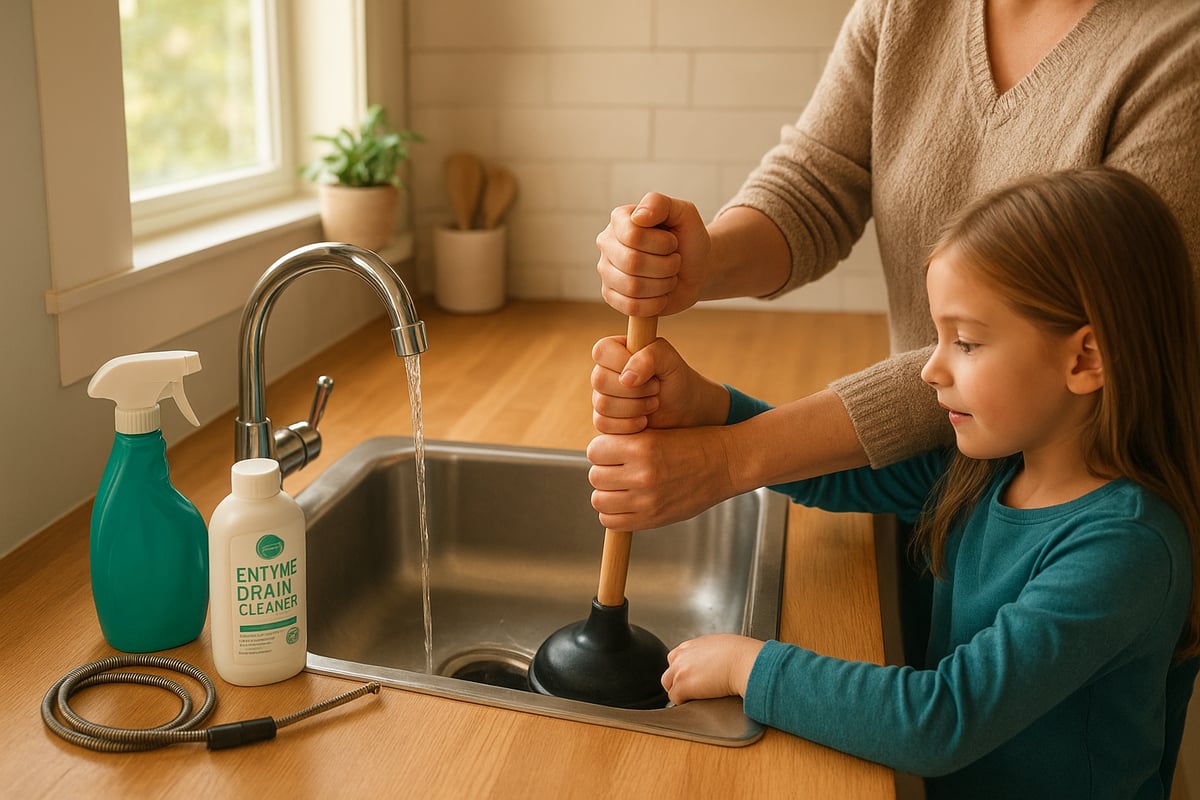
In 2026, enzyme cleaners are the go-to choice. They’re safer for your pipes and the environment than harsh chemicals. If you need to clear a clog, start with a plunger. For stubborn blockages, a drain snake can help, but be gentle to avoid pipe damage.
Atlanta homeowners, take note—tree roots love old sewer lines. If you notice recurring clogs, roots could be the culprit. When DIY efforts don’t cut it, it’s time to call in a pro.
Repairing and Upgrading Drains
Catching leaks and cracks early keeps your complete plumbing and drain system in top shape. Look for wet spots under sinks or mysterious puddles near appliances. Small leaks can sometimes be patched, but if pipes are old or badly damaged, replacement is the safer bet.
Modern upgrades make life easier. Smart sensors and leak detectors alert you to trouble before it becomes a disaster. In Atlanta, common drain repairs range from $250 to $800, depending on the issue.
Curious about real-world solutions? Check out this kitchen drain leak repair in Atlanta for a peek at what pros handle every day.
When in doubt, get an expert opinion. The right repairs and upgrades mean fewer surprises and a worry-free home.
Water Heaters and Smart Plumbing Upgrades
Ready to make your home’s hot water smarter and more reliable? Let’s break down how water heaters and smart plumbing upgrades can transform your complete plumbing and drain setup for 2026.

Choosing the Right Water Heater for Your Home
Picking the right water heater is a game changer for your complete plumbing and drain system. In 2026, you’ve got three main options: traditional, tankless, and hybrid. Each brings its own benefits.
Here’s a quick comparison:
| Type | Pros | Cons |
|---|---|---|
| Traditional | Lower upfront cost, simple | Less efficient, bulky |
| Tankless | Endless hot water, compact | Higher cost, needs upgrade |
| Hybrid | Energy efficient, rebates | Needs space, pricier |
Think about your family’s size and daily hot water use. The average Atlanta home uses about 64 gallons per day, so sizing matters. Tankless models shine for smaller homes or if you want to save space.
Hybrid heaters give you top-notch energy savings. If you’re not sure which fits your needs, check out the Water Heaters page for more details or to get expert advice.
Installation and Maintenance Best Practices
Now that you’ve picked a heater, let’s talk installation and care. For a complete plumbing and drain solution, professional installation is usually the way to go. It means your system is safe, efficient, and up to code.
Routine flushing is key. Sediment builds up fast in Atlanta’s water, which can shorten your heater’s life. Set a reminder to flush your water heater once a year. If you hear rumbling or notice lukewarm water, it’s time for maintenance.
Tankless and hybrid models need a little extra TLC, but they reward you with lower bills and fewer headaches. If you’re handy, you can handle simple tasks like checking for leaks or testing the pressure relief valve. For bigger issues, reach out to specialists in Tankless Water Heater or Hybrid Water Heater systems.
Smart Plumbing Technology for Modern Homes
Smart tech is making waves in the complete plumbing and drain world. Imagine getting an alert on your phone when a leak starts or shutting off your water remotely during a trip. That’s not sci-fi, it’s 2026.
Today’s top upgrades include:
- Leak detection sensors
- Smart shut-off valves
- Water usage monitoring apps
These tools help you catch problems early and cut down on wasted water. Insurance Journal reports smart leak detectors can reduce water damage claims by 93 percent, which means more peace of mind for you.
If you’re curious about what’s next, check out Smart plumbing technologies and innovations for 2025 for a peek at the latest trends. Investing in these upgrades is a smart move for any Atlanta homeowner looking to future-proof their complete plumbing and drain setup.
Expert Tips for Bathroom and Kitchen Plumbing
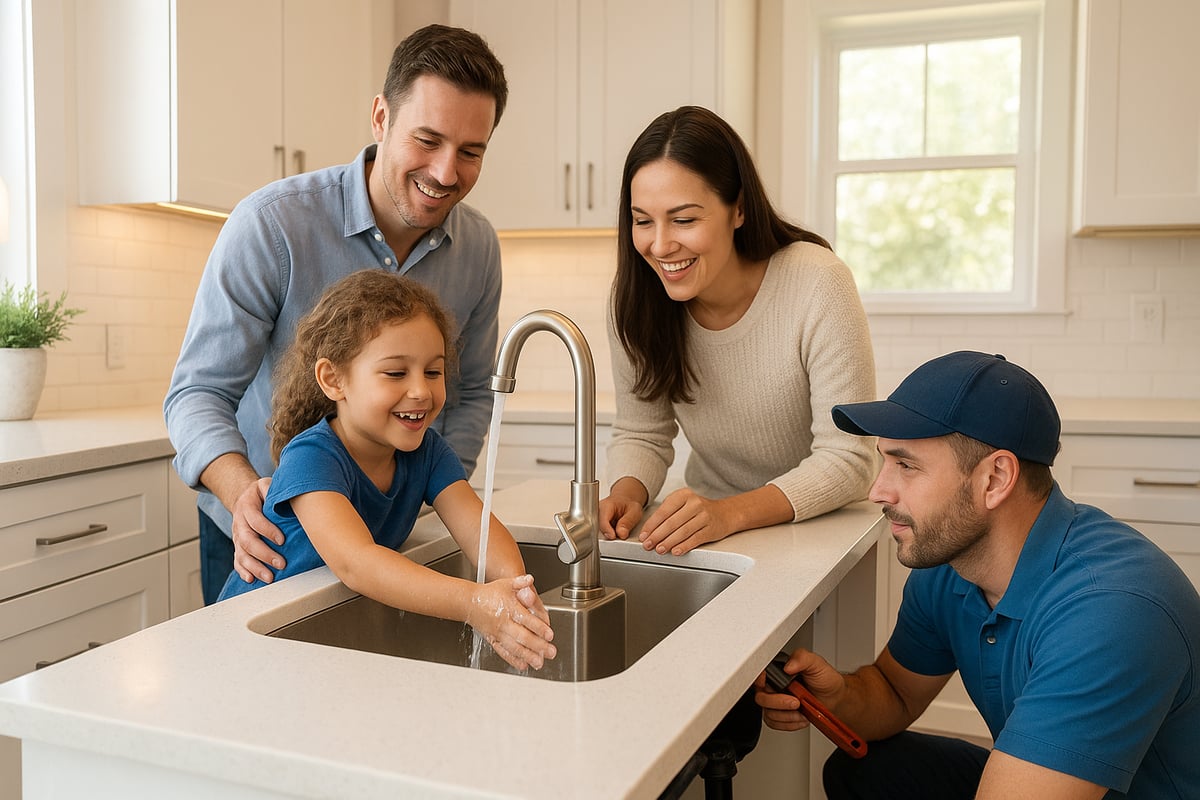
Ever wonder why your faucet starts dripping right after you finally sit down to relax? Or why your kitchen drain seems to slow down just when you need it most? The complete plumbing and drain guide is here to help you handle these everyday frustrations with ease. Let’s dive into smart, practical ways to keep your bathroom and kitchen running smoothly.
Preventing and Fixing Common Fixture Issues
Bathroom and kitchen fixtures work hard every day, and small problems can quickly turn into big headaches. The complete plumbing and drain approach means catching issues early and knowing the right fix.
- Dripping faucets: often fixed by replacing a washer or cleaning the aerator.
- Running toilets: check for worn flappers or loose chains.
- Slow drains: clear out debris or use a safe enzyme cleaner.
Water-saving upgrades are a win-win in 2026. Swapping in WaterSense fixtures can cut your water bill by over 20 percent, and you’ll find even more efficient options as top plumbing trends for 2026 focus on sustainability. If a quick DIY fix doesn’t solve it, don’t wait—call a pro before damage spreads.
Remodeling Insights: Plumbing for Upgrades
Thinking about a kitchen or bathroom remodel? Smart planning is key for a complete plumbing and drain project. Before you move a sink or add a walk-in shower, consider these points:
- Relocating fixtures can add costs if pipes need rerouting.
- Walk-in showers are popular, but may require updated drains and waterproofing.
- Atlanta requires permits for most plumbing remodels—check local codes before starting.
Talk with your plumber early in the design phase. They’ll help you avoid surprises and make sure everything lines up, from fixture placement to water supply. A little upfront planning can save you time, money, and stress down the road.
Maintenance for Long-Lasting Fixtures
Long-lasting fixtures are no accident—they’re the result of regular, simple care. A complete plumbing and drain routine makes this easy.
- Clean aerators every few months to keep water flowing.
- Replace washers or cartridges if you notice drips.
- Remove mineral buildup with safe cleaners, especially in Atlanta’s hard water areas.
Routine checkups help prevent wear and catch small leaks before they get bigger. For extra peace of mind, explore Toilets, Sinks & Faucets, and Bathroom Remodeling for expert solutions and upgrades. A little maintenance goes a long way toward keeping your home comfortable and your fixtures looking sharp.
When to Call a Professional Plumber: Signs, Costs, and Choosing the Right Help
Ever feel like a plumbing problem picks the worst possible time to show up? You’re not alone. Sometimes, a quick DIY fix just won’t cut it. Here’s how to know when to call in the pros for your complete plumbing and drain needs.
Recognizing Plumbing Emergencies
Plumbing emergencies can strike fast. Burst pipes, sewer backups, or a suspected gas leak? Don’t wait. Shut off your main water supply first if you can safely reach it.
Atlanta’s sudden freeze events are notorious for causing pipes to burst and flood homes. If you spot water gushing, sewage in your drains, or smell gas, get everyone out and call a pro right away.
These moments are when a complete plumbing and drain expert can save your home and your sanity. Quick action keeps damage and stress to a minimum.
Understanding Plumbing Service Costs in 2026
Worried about what a plumber might cost? In Atlanta, expect rates between $75 and $150 per hour. The final price depends on the job’s complexity, the time of day, and materials needed.
Here’s a quick comparison:
| Service Type | Typical Cost (2026) |
|---|---|
| Emergency Repair | $150–$350/hr |
| Standard Repair | $75–$150/hr |
| Drain Cleaning | $250–$800 |
Always ask for a free estimate before work begins. For the best value, choose a complete plumbing and drain service with transparent pricing and trusted reviews.
How to Choose a Reliable Plumber
Choosing a plumber doesn’t have to be stressful. Look for licensed and insured professionals with solid online reviews and written guarantees. Ask about experience, warranties, and response times.
Don’t hesitate to ask questions—your home deserves the best. For extra peace of mind, consider scheduling regular Plumbing Inspections to catch issues before they become emergencies.
A reliable complete plumbing and drain provider will keep your home running smoothly, so you can focus on what matters most.
So, after all this plumbing know how, you might be wondering what’s next for your own home—or maybe you’ve spotted a few issues that need a pro’s touch. Whether you’re looking to prevent future headaches, upgrade your system, or just want the peace of mind that comes with expert advice, you don’t have to figure it all out alone. The team at Fix & Flow Plumbing Co. is always here to help with honest answers and reliable service, right when you need it. Ready to take the next step? Book Appointment and let’s get your plumbing running smoothly into 2026.