
 Skip to content
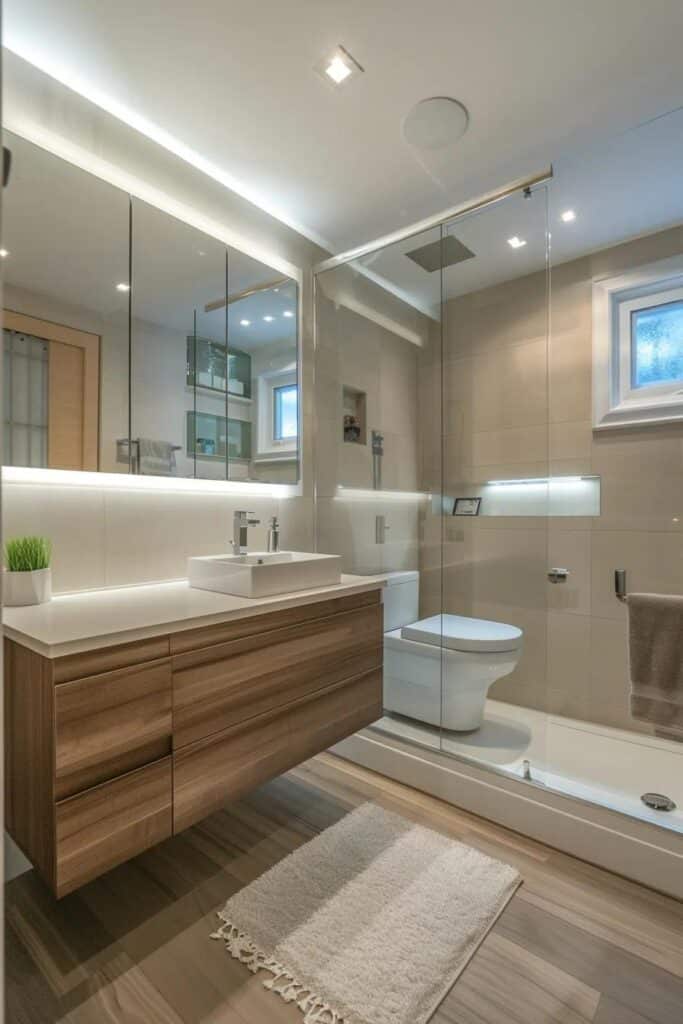
A well-planned small bathroom can turn a cramped room into a calm, stylish retreat. Atlanta homeowners often wrestle with older layouts, city rules, and issues like sewer line repair, so smart design must balance form, function, and code. Below we walk through practical ideas—clever storage, compact fixtures, and finishes that suit Atlanta’s mix of historic and modern homes—so even the smallest baths feel spacious and intentional. Use these tips to get the most from every square foot while keeping durability and local building requirements front of mind, whether you’re doing a full remodel or a budget-friendly refresh.
Read on for focused, actionable suggestions that help your remodel look great and perform for years to come.
Atlanta houses marry historic detail with contemporary updates, so your bathroom should reflect that same balance. The best ideas stretch usable space without sacrificing style: open floor planning where possible, built-in storage, and a tasteful blend of classic and modern finishes. Think vintage tile paired with streamlined fixtures for a warm, current atmosphere. Choose moisture-resistant materials and reliable ventilation to ensure longevity in our humid climate. Even small rooms benefit from a cohesive color story to make the space read larger and brighter.
Atlanta’s architectural variety—crown molding, millwork, and period layouts—shapes smart remodel choices. Respecting those details while introducing contemporary sanitary ware preserves character and increases long-term value. The best outcomes emphasize quality construction and finishes that feel permanent, blending new systems with traditional aesthetics to appeal to buyers and homeowners alike.
Layout is everything in a small bathroom. Atlanta homeowners often choose floating vanities, wall-mounted toilets, and corner showers to open up visual and actual floor space. Zoning the room into a dry area for fixtures and a wet area for the shower—sometimes separated by a pocket or sliding door—keeps circulation smooth. Built-in niches and recessed shelving deliver storage without interrupting sightlines, keeping the room tidy and uncluttered.
Neutral bases with bold accents are a go-to for a balanced, modern look. Creams, soft grays, and pale blues reflect natural light and visually expand the room, while accents in copper, matte black, or jewel tones add personality. Pair these palettes with natural materials like stone and wood for an organic, timeless feel. Contrasting trim, cabinetry, or tile patterns can add texture and depth without overwhelming a small space.
Maximizing a small Atlanta bathroom starts with careful planning and the right modern touches. Compact fixtures, smart storage, and efficient lighting make a big difference. Wall-mounted sinks and floating vanities open the floor visually and practically; recessed shelves and niches hide essentials without crowding the room. Clear glass or open partitions let natural light travel through the space, which is especially helpful in older homes with limited bathroom footprints.
Good storage looks built-in. Custom wall cabinets, mirrored medicine cabinets, and recessed shelving use vertical space without eating into the floor area. Over-the-toilet units, integrated vanity organizers, and adjustable shelving keep clutter out of sight. Multi-use pieces—mirrors with LED lighting and storage, for example—combine practicality with a clean, elevated look.
Compact fixtures—wall-hung toilets, narrow vanities, and pedestal sinks—free up floor room and simplify cleaning. Slimline faucets, sinks with integrated counters, and smaller shower footprints cut visual clutter. Curbless entries and sliding glass doors help unify wet and dry zones, improving flow and accessibility in tight urban bathrooms.
Lighting defines mood and perceived size. Layer ambient, task, and accent lighting with LED recessed cans, vanity sconces, and under-cabinet strips. Natural light through skylights or frosted windows expands the feel of the room, while dimmable fixtures and warm-white tones keep the space comfortable. Mirrors with built-in LEDs boost reflected light and add a modern, functional touch.
Pick materials and fixtures that hold up to humidity and daily use while still looking refined. High-quality porcelain or ceramic tiles resist water and clean easily; low-porosity natural stone or engineered quartz makes durable, attractive vanity tops. Fixtures should meet Atlanta’s building codes, so prioritize water-efficient toilets, low-flow faucets, and corrosion-resistant finishes. When function and style align, each component supports a cohesive, long-lasting design.
Durability and style go hand in hand. Porcelain and ceramic tiles resist moisture and wear and come in glossy or matte finishes. Mosaic details add texture without overpowering the room. Engineered stone and quartz are low-maintenance options for vanities. Waterproof vinyl flooring can mimic pricier materials on a budget. Correct installation and routine care keep these surfaces looking great longer.
Compliance matters. Choose fixtures rated for moisture resistance and energy efficiency and certified by recognized agencies. Low-flow toilets and faucets save water and meet sustainability goals, while corrosion-resistant metals—brushed nickel, chrome, or copper—stand up to humid conditions. Partnering with contractors who know local codes makes approvals and inspections smoother.
You don’t need a full gut job to get big impact. Consider reglazing tiles, swapping in modern fixtures, repainting with mold-resistant paint, or upgrading lighting. Affordable, durable choices—vinyl flooring, laminate counters, and recycled-glass tile accents—can refresh the space without a large outlay. Timing purchases around sales and choosing efficient fixtures also trims costs long-term.
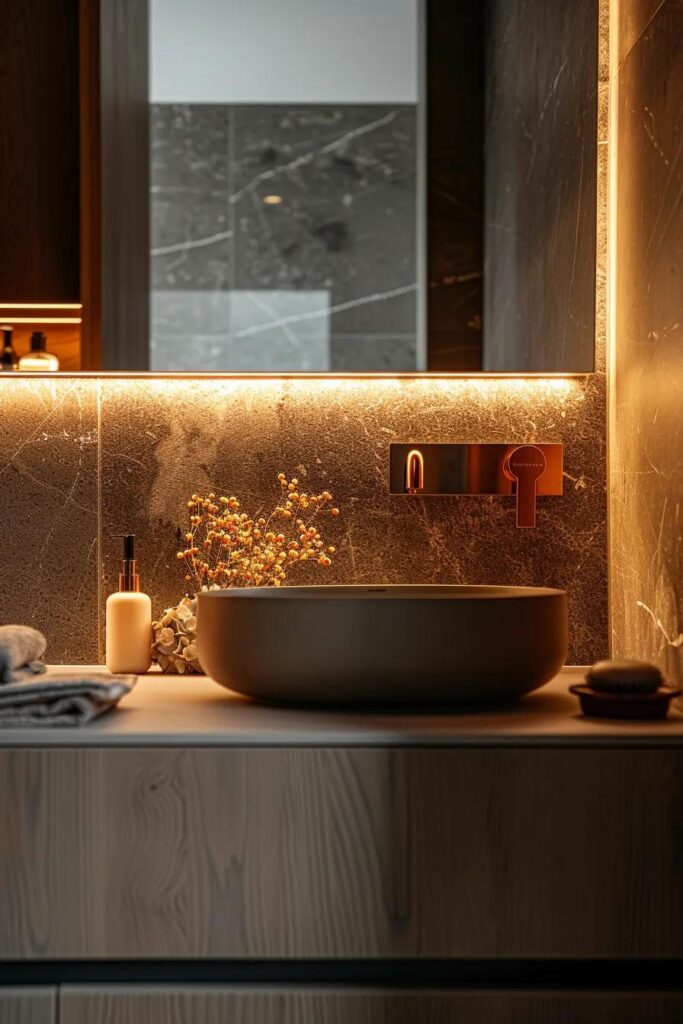
Customization makes a small bathroom work for how you live. Tailored layouts—unique fixture placement, custom cabinetry, and targeted storage—fit the home’s style and your routine. Atlanta Bathrooms starts with a detailed review of daily habits, lighting, and existing architecture to recommend solutions that improve function and flow, from ventilation upgrades to smarter plumbing routes.
Consultations begin with a site review of layout, lighting, and fixtures. Designers collect lifestyle and aesthetic preferences, then develop concepts—sketches, mood boards, and plans—that marry form and function. Every choice, from tile patterns to finishes, is vetted so the design complements the home before construction starts.
Designs consider family size, routines, and priorities. Busy professionals often need streamlined storage and easy access; families may emphasize durability and safety. Adjustable shelving, user-friendly fixtures, and custom cabinetry help each design serve real daily needs, while finishes and colors are chosen to harmonize with the rest of the house and local style.
Good project management keeps remodels on track. Start with a kickoff meeting to set timelines, milestones, and responsibilities. Share a clear project plan with all stakeholders, and use digital tools plus on-site checks to monitor progress and solve issues quickly. For Atlanta homeowners, transparency and consistent updates are key to a smooth renovation that stays on schedule and on budget.
Trends in small bathroom design blend efficiency with refined aesthetics. In Atlanta, minimalism and clean lines remain popular, alongside smart controls that simplify lighting, water, and temperature. Eco-friendly materials and water-saving fixtures are increasingly common, and finishes like matte black, geometric tile, and natural wood accents add a modern, energy-conscious look to compact remodels.
Minimalist design removes visual clutter and prioritizes purpose. Neutral palettes, clean profiles, and hidden storage expand the feel of a room. Floating vanities and frameless mirrors keep sightlines open, and every element serves a function—resulting in a low-maintenance, safety-minded space that still reads as modern and intentional.
Smart features make small bathrooms more convenient and efficient. App-controlled shower systems, touchless faucets, sensor lighting, and digital mirrors are practical upgrades. Water-saving options like dual-flush toilets and low-flow showerheads conserve resources while offering a contemporary user experience.
Sustainable materials are a natural fit for modern remodels. Recycled-glass tiles, low-VOC paints, and responsibly sourced wood bring texture and character while reducing environmental impact. Pairing these choices with efficient ventilation and water-smart fixtures creates bathrooms that look good and perform responsibly.
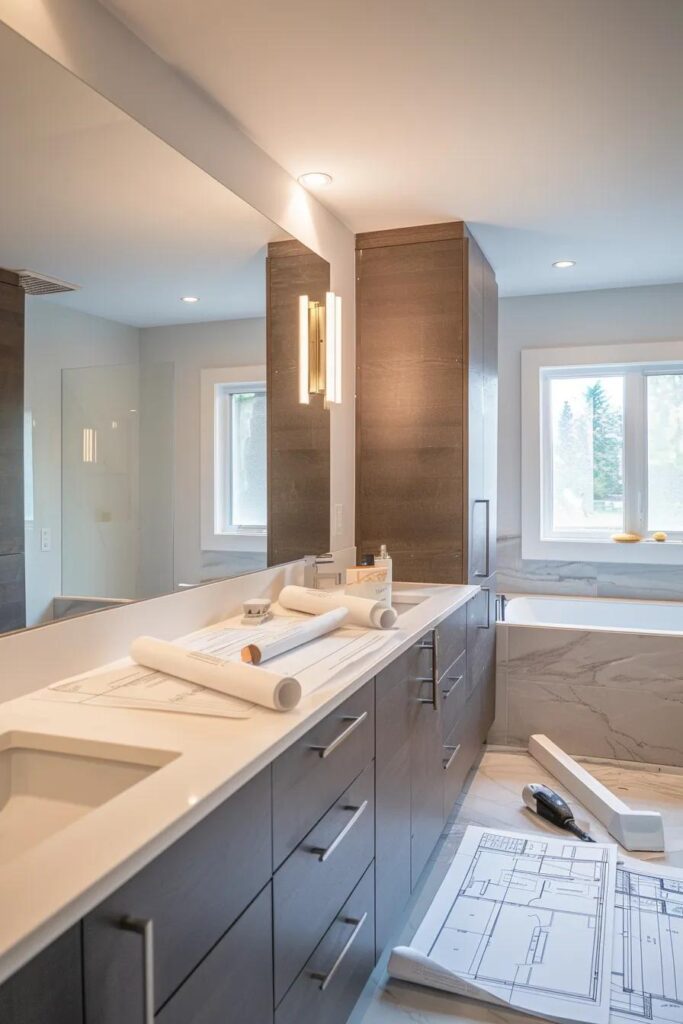
Preparation sets the stage for a successful remodel. Start with a clear assessment: what’s outdated, where storage is lacking, and what lighting or ventilation needs improvement. Define priorities—function, style, or efficiency—then research products and gather contractor estimates. Early planning and good estimates reduce surprises and help keep the project efficient and cost-effective.
Expect the process to begin with a consultation and conceptual design. After approvals, demolition and site prep follow, which may include rerouting plumbing and protecting adjacent areas. Construction moves forward in phases with inspections and adjustments along the way. Open communication with your design and construction team helps address unexpected issues quickly and keeps the project on track.
Build a budget from a detailed cost list and rank priorities—fixtures, tile, tech, and cabinetry. Get multiple quotes from reputable contractors and set aside 10–15% for contingencies. Track expenses closely and take advantage of sales or promotions to reduce material costs without sacrificing quality.
Ask about scope, timeline, and where costs could shift. Request material recommendations for Atlanta’s humid climate and confirm how the design meets local building codes. Ask about maintenance needs, warranties, and eco-friendly options. Clear answers help ensure the final plan meets both your aesthetic and practical goals.
Finding a reliable remodeler means reviewing credentials, past work, and client feedback. Companies like Fix & Flow combine plumbing know-how with design sensibility, offering thorough assessments that address both system issues and aesthetics. Look for transparent estimates, quality workmanship, and code compliance. Read testimonials, compare portfolios, and ask neighbors or real estate pros for referrals to find a team that delivers predictable results.
Atlanta Bathrooms brings focused experience with small-space remodels and an understanding of local architecture. Their solutions optimize layout, ensure code compliance, and incorporate modern, sustainable elements. With hands-on project management and a commitment to craftsmanship, they help homeowners get maximum utility and style from compact bathrooms.
Customer reviews highlight what matters: on-time completion, clear communication, and high-quality materials and workmanship. In Atlanta, satisfied clients often point to how teams transformed tight, awkward rooms into bright, functional spaces—proof that good planning and skilled execution pay off.
Typical challenges include tight footprints, aging plumbing, and poor lighting or ventilation. Solutions combine precise measurement, multi-functional design, and system upgrades. Custom cabinetry, floating fixtures, and efficient layouts overcome spatial limits, while updated plumbing and proper ventilation prevent moisture problems. Thorough pre-project reviews and ongoing communication with your team turn obstacles into design opportunities.
| Material/Fixture | Key Attribute | Benefit | Ideal Use Case |
|---|---|---|---|
| Porcelain/Ceramic Tiles | Moisture resistance, style | Durable and easy to clean | Flooring, shower walls in high-humidity areas |
| Engineered Quartz | Low porosity, elegant finish | Long-lasting finish, modern look | Vanity tops, counters |
| Floating Vanities | Space-saving design | Enhances floor space, modern look | Small bathrooms with limited space |
| LED Recessed Lighting | Energy efficient | Uniform brightness, energy saving | Overall ambient lighting in compact layouts |
| Water-Efficient Fixtures | Low-flow, compliant | Reduces water bills, eco-friendly | Toilets, faucets and showerheads |
In short, the right materials and fixtures boost both how a small bathroom functions and how it looks. Prioritize durability, efficiency, and fittings that make the most of compact spaces.
Q: How do I select the best layout for my small Atlanta bathroom? A: Prioritize wall-mounted fixtures, floating vanities, and sliding doors to free up space. A clear wet/dry zoning approach improves flow and long-term usability.
Q: What eco-friendly materials are recommended for small bathroom remodels? A: Recycled glass tile, low-VOC paint, sustainably sourced wood for cabinetry, and LED lighting give durability and style while lowering environmental impact.
Q: How can I ensure my new fixtures meet Atlanta building codes? A: Buy certified products and work with contractors who know local regulations—this keeps installations compliant and inspection-ready.
Q: What storage solutions work best in compact bathrooms? A: Built-in shelving, recessed niches, over-the-toilet cabinets, and vanities with hidden compartments maximize storage without crowding the room.
Q: How long does a typical small bathroom remodel take in Atlanta? A: Most small remodels finish in two to four weeks, depending on plumbing work, custom elements, and material lead times.
Q: Can I integrate smart lighting and technology in a small bathroom remodel? A: Absolutely. Smart lighting, sensor faucets, and digital shower controls add convenience and efficiency without taking up space.
Q: What is the most cost-effective way to update my small bathroom? A: Focus on cosmetic refreshes—refinish or replace fixtures, update lighting, and choose durable yet affordable surfaces to improve looks and function on a budget.
Small bathrooms in Atlanta can be both beautiful and highly functional when you combine thoughtful layouts, resilient materials, and designs that respect the home’s character. With careful planning and the right team—like Fix & Flow—you’ll get a remodel that looks polished and performs reliably for years. The result: a compact space that feels intentionally designed and easier to live with every day.