 Skip to content


Ever wondered what could go wrong if you skip checking for a licensed and insured plumber? Picture this: a simple leak turns into a massive headache, and suddenly you’re stuck with the bill — or worse, a mess that insurance won’t touch.
You’re not alone if the world of plumbing licenses and insurance feels a little mysterious. That’s why this guide is here. We’ll break down what these credentials really mean, why they matter for your safety and wallet, and how to spot the real pros from the risky ones.
By the end, you’ll have simple, actionable steps to hire with total confidence — and the peace of mind that comes with working with true experts.
What Does It Mean to Be a Licensed and Insured Plumber?
Ever wondered what really sets a licensed and insured plumber apart from the rest? In 2026, it’s more important than ever to know what these credentials mean for you and your property. Let’s break down what’s behind those terms, why they matter, and how they keep you protected.

The Basics of Plumbing Licenses
A licensed and insured plumber is someone who has gone through official training, passed exams, and met all state or local requirements to legally work on plumbing systems. In 2026, most states require plumbers to hold a valid license, which means they’re tested on current codes, safety, and best practices.
There are usually three main types of plumbing licenses:
- Apprentice: Learning the ropes under supervision
- Journeyman: Qualified to work independently
- Master: Experienced, can supervise others and pull permits
For example, in Georgia, a Master Plumber must complete thousands of hours of training and pass a tough exam. This ensures only the most prepared pros work on your home.
Why does this matter? Licensing standards protect you by making sure your plumber knows their stuff. According to a recent national survey, areas with strict licensing see fewer plumbing issues and code violations. Up-to-date licenses also guarantee your plumber is trained on the latest rules and safety measures.
The Role of Insurance in Plumbing Services
Insurance is your plumber’s safety net, and it’s a big deal for you, too. The main types a licensed and insured plumber should carry are:
- Liability insurance: Covers accidental property damage
- Workers’ compensation: Protects workers if they get hurt
- Property damage: Handles larger accidents
Imagine a pipe bursts while your plumber is working, flooding your living room. If they’re properly insured, their insurance pays for the repairs, not you. That’s a huge relief.
In fact, insured plumbers resolve claims much faster and with less hassle than those without coverage. Insurance isn’t just a formality—it shields both you and your plumber from unexpected costs, injuries, or accidents. No reputable pro would ever work without it.
Why Both Licensing and Insurance Matter
Hiring someone who isn’t a licensed and insured plumber can lead to real headaches. You could be on the hook for repairs, medical bills, or even face legal trouble if something goes wrong. Unlicensed work often means corners are cut, leading to expensive damage or failed inspections.
Picture this: An unlicensed plumber installs a water heater incorrectly, causing a leak that ruins your floors. Who pays? Without the right credentials, it’s usually you. Data shows homeowners spend thousands more fixing mistakes from unlicensed work.
Proper licensing and insurance mean your plumber is accountable, and you have recourse if anything goes sideways. It’s about peace of mind and protecting your biggest investment—your home. Before you hire, always ask for proof, check credentials, and consider a Plumbing Inspection for extra assurance.
For homeowners and business owners alike, choosing a licensed and insured plumber is the smartest way to ensure safety, quality, and long-term value.
How to Verify a Plumber’s License and Insurance in 2026
Hiring a licensed and insured plumber gives you more than just peace of mind—it protects your home, your wallet, and your family. But how can you be sure your plumber really has the right credentials? Let’s break down the three simple steps every homeowner and business should follow to verify a plumber’s license and insurance in 2026.

Step 1: Ask for Documentation
Start by asking your licensed and insured plumber for proof of credentials. You want to see their license card and a current insurance certificate. Don’t feel awkward about it—any reputable plumber expects this question.
Here’s what to look for:
- License number, expiration date, and name matching the company or individual
- Insurance certificate with clear coverage dates and limits
- No hesitation or pushback when you ask
If a plumber hesitates, provides blurry photos, or gives excuses, that’s a bright red flag. Compare the license and insurance info to what’s on their business card or website. For example, if you spot a license that expired last year, or the name doesn’t match, walk away. Transparency is a hallmark of a professional, licensed and insured plumber.
Step 2: Use State and Local Verification Tools
After you’ve seen the paperwork, take a minute to double-check everything online. Most states, including Georgia, have license lookup portals where you can punch in a license number and confirm it’s active. You can also call or email insurance providers to verify coverage.
Some handy resources:
- Georgia State Licensing Board website
- Better Business Bureau for business reputation
- Insurance company contact info (should be on the certificate)
Let’s say you’re hiring a licensed and insured plumber in Atlanta. Just enter their license number into the state portal and make sure it matches the person or business you’re hiring. This step is becoming more popular each year, with a surge in homeowners using online verification tools. Want to know the specific requirements for your state? Check out this Plumbers Insurance Requirements by State overview for quick answers.
Step 3: Confirm Coverage Details
Seeing an insurance certificate is good, but you also want to confirm the details. Not all policies cover every plumbing job, so ask questions before any work begins.
Make sure to:
- Check coverage limits and any exclusions (like certain types of water damage)
- Ask if subcontractors are covered under the policy
- Confirm that the policy is current for the entire project duration
For example, if you’re tackling a big sewers or drains project, you want insurance that matches the job’s scope. If there’s a mismatch, a denied claim can leave you paying out of pocket. Always ask for written proof and, when in doubt, call the insurance provider directly. For projects needing extra coverage, like Sewers & Drains, double-check that everything lines up for your licensed and insured plumber.
The Real Risks of Hiring Unlicensed or Uninsured Plumbers
Ever wonder what could really go wrong if you skip hiring a licensed and insured plumber? The risks are real, and they hit your wallet, your safety, and even your home’s future value. Let’s break it down so you know exactly what’s at stake.
Financial and Legal Consequences
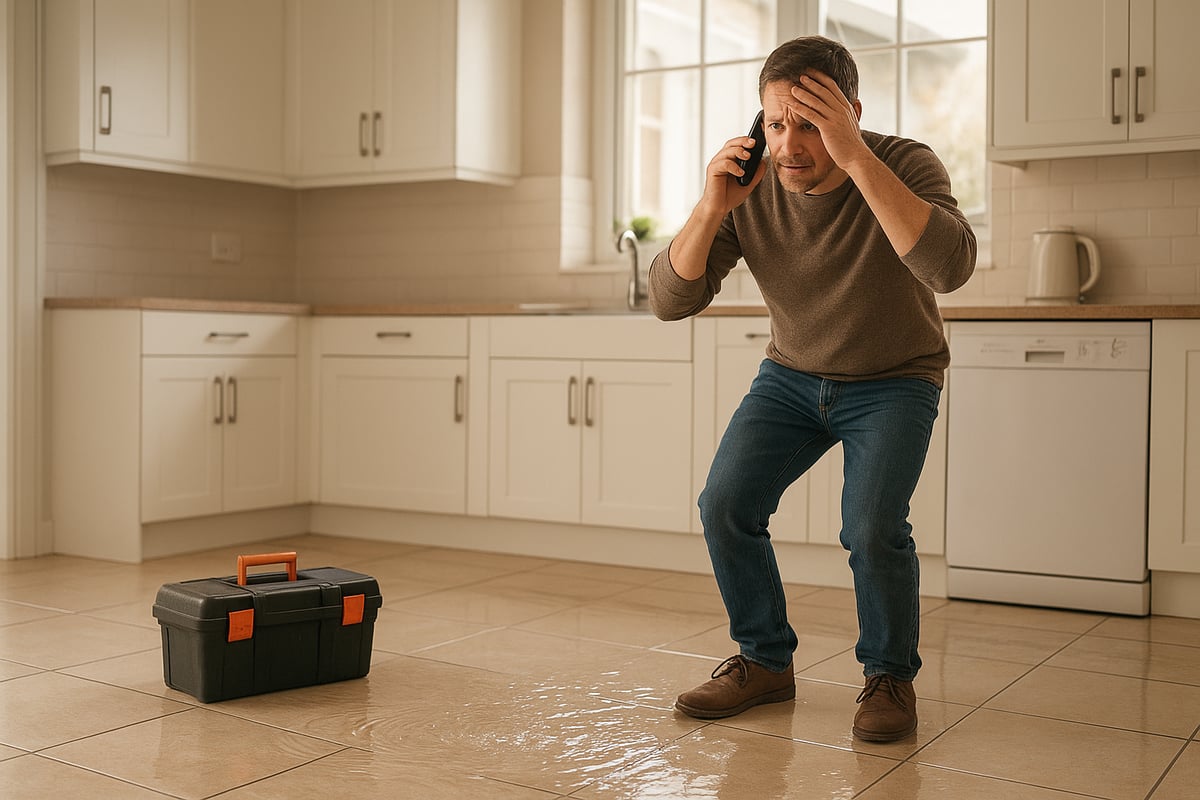
Choosing someone who isn’t a licensed and insured plumber can leave you open to all sorts of financial headaches. Think fines from your city, denied insurance claims, or even lawsuits if something goes sideways.
Imagine you hire a handyman for a water heater install, but it leaks. Now you’re stuck with thousands in water damage, and your insurance says, “Sorry, not covered.” That’s a nightmare scenario. Did you know the average water damage claim tops $11,000? It adds up fast.
Here’s the thing: a licensed and insured plumber protects you from these costly mistakes. If you want to avoid these disasters, check out Water Heater Installation by Licensed Plumbers for safe, reliable service.
Safety and Quality Concerns
When you use someone who isn’t a licensed and insured plumber, you’re rolling the dice on your home’s safety. Unqualified work often leads to leaks, mold, even gas leaks. And guess what? Those “small” mistakes can turn into major emergencies.
We’ve heard real stories from homeowners who thought they were saving a buck, but ended up with busted pipes, ruined walls, or worse. Improper installs can void your warranties and leave you with huge repair bills. Did you know over 60 percent of plumbing failures are linked to unlicensed work?
Bottom line: your family’s safety is worth more than a cut-rate fix. Always choose a licensed and insured plumber for peace of mind.
Long-Term Impact on Property Value
Did you know unpermitted plumbing work can haunt you when it’s time to sell? Home inspectors spot these issues right away, and buyers get nervous. Disclosure laws mean you’ll have to admit the work wasn’t done by a licensed and insured plumber, which can sink a sale or drag down your price.
Picture this: a gorgeous bathroom remodel, but the buyer walks away because permits weren’t pulled. No one wants that. Licensed work keeps your home’s value intact and ensures everything passes inspection.
If you’re planning a remodel, make sure you work with pros who follow the rules. It’s the smartest move for your home’s future.
Step-by-Step Guide to Hiring a Licensed and Insured Plumber
Ready to find a licensed and insured plumber but not sure where to start? Let’s break it down into four easy steps so you can feel confident, safe, and totally in control. Here’s how you can make sure you get the right pro for the job, every single time.

Step 1: Define Your Plumbing Needs
First things first, get clear on what you actually need. Is it a leaky faucet, a busted pipe, or a full bathroom remodel? Knowing your project scope helps you communicate with your licensed and insured plumber and get accurate quotes.
For example, fixing a dripping sink is a quick job, while a kitchen overhaul is a whole different ball game. If you’re not sure, start by listing symptoms or snapping a few photos. This way, when you reach out for help, you’ll know if you need a simple Sinks & Faucets repair or something more involved.
A clear definition saves time, money, and headaches down the road.
Step 2: Research and Shortlist Plumbers
Now it’s time to build your shortlist. Ask friends, family, or neighbors for recommendations. Check online reviews on Google or the Better Business Bureau. Always make sure every candidate is a licensed and insured plumber.
Don’t forget to review their specialties. Looking for someone who can handle toilets, upgrades, or unique projects? See if they offer Toilets services or have experience with your specific needs.
A great shortlist is like your plumbing safety net. The more research you do now, the better your results later.
Step 3: Request and Compare Quotes
Once you’ve got a few options, reach out for quotes. Be specific—describe the scope, materials needed, and your timeline. Always ask if the quote includes proof that the plumber is a licensed and insured plumber.
Compare the details: Does one quote seem suspiciously low? It might mean corners are being cut. For more complex projects like a new water heater, look for experience with Tankless Water Heater Installation or similar jobs.
Line up your quotes side by side so you can spot the best value and the most qualified pro.
Step 4: Verify Credentials and Finalize Contract
Before signing anything, double-check that your chosen pro is a licensed and insured plumber. Ask for copies of their license and insurance, and don’t be shy about calling to confirm.
Your contract should spell out the job details, payment schedule, and warranty terms. For advanced installs, like Hybrid Water Heater Installation, make sure every promise is in writing.
A solid contract is your peace of mind, ensuring you’re protected from start to finish.
What Sets a Great Licensed and Insured Plumber Apart?
Ever wonder what separates a truly great licensed and insured plumber from the rest? It is not just about having paperwork. It is about how they treat you, the quality of their work, and how much you trust them in your home. Let us break it down so you know exactly what to look for when choosing the right pro for your plumbing needs.
Professionalism and Communication
A standout licensed and insured plumber always keeps things clear and simple. You will get straightforward estimates with no hidden surprises. When issues pop up mid-job, they walk you through the solution instead of leaving you in the dark.
Say your pipes spring a leak at midnight. A true pro will respond quickly, show up on time, and respect your space. They will wear shoe covers, clean up after themselves, and treat your home like their own.
Recent trends show customer satisfaction for plumbers is highest when communication is open and honest. That means you are never left guessing about the next step or the final bill. If you want peace of mind, stick with a licensed and insured plumber who makes you feel heard and valued.
Comprehensive Service Offerings
A great licensed and insured plumber is more than a one-trick pony. They handle repairs, big remodels, and even emergencies. Need a burst pipe fixed at 2 a.m.? Or dreaming of a bathroom makeover? They have you covered.
Many top-notch plumbers offer ongoing maintenance and inspections, so you can avoid those surprise disasters. Imagine having a single team you trust for everything from quick fixes to full Emergency Plumbing Services. That kind of reliability is worth its weight in gold.
When you choose a licensed and insured plumber with a wide range of services, you save time and keep your home running smoothly. No more scrambling to find new help for every project—just one call does it all.
Local Expertise and Community Reputation
You want a licensed and insured plumber who knows your area inside and out. Local expertise means they understand the quirks of Atlanta’s weather, water systems, and city codes. That knowledge helps them solve problems faster and more efficiently.
Supporting a local, accredited business also means your money stays in the community. Plus, local plumbers often have a reputation to uphold, so they are motivated to deliver top-notch service every time. Satisfaction rates consistently show that homeowners prefer local professionals over big national chains.
And if you are planning a home upgrade, like a bathroom remodel, working with a Bathroom Remodeling with Licensed Professionals team ensures the work is done right. That way, your investment is protected and your home stays safe and valuable for years to come.
So, after walking through what makes a licensed and insured plumber so essential—especially with how much is at stake for your home or business—you’re probably wondering what your next step should be. Honestly, why leave it to chance? Whether you’re dealing with a leaky faucet, planning a big remodel, or just want peace of mind, you deserve a team that’s got the credentials and cares about your satisfaction. Let’s take the stress out of your plumbing worries together. If you’re ready to get real answers from professionals who know Atlanta inside and out, Speak To A Professional.