 Skip to content

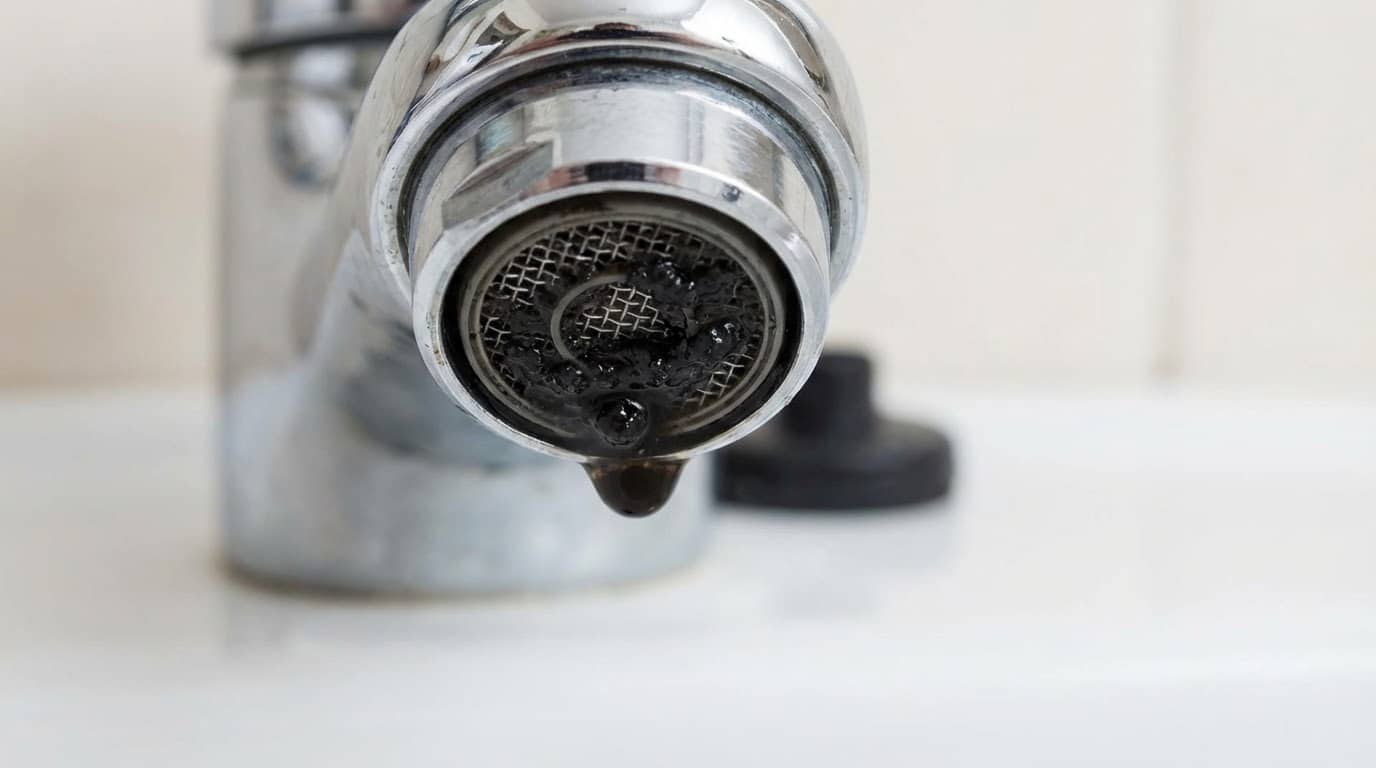
You turn on the faucet to wash your hands, and there it is again. Tiny black flakes. Sometimes it looks like slime. Sometimes it smears along the sink. You rinse it away, but it keeps coming back. Most people ignore it at first. Then it gets worse.
Let’s get straight to what’s going on, what it means for your health, and how to fix it properly.
What Is the Black Stuff Coming Out of Your Faucet?
That black stuff in your faucet isn’t just “dirt.” It’s usually one of these:
- Biofilm (a mix of bacteria and mold)
- Rubber particles from worn-out washers or hoses
- Mineral buildup mixed with organic debris
In simple terms, your faucet creates the perfect environment for buildup. It stays damp, gets regular water flow, and often isn’t cleaned internally.
That’s why black slime in faucet openings is more common than people think.
Common Causes of Black Stuff in Faucet Water
Let’s break down the real causes. Not guesses—actual reasons I’ve seen repeatedly.
1. Mold and Bacterial Growth
Moist environments allow mold in faucet areas to grow, especially around aerators and inside the spout. Over time, this turns into black slime.
2. Rubber Washer or Supply Line Breakdown
If your plumbing is older, rubber parts can degrade. When they do, they shed tiny black particles into your water. This is one of the most overlooked reasons for black gunk in faucet flow.
3. Biofilm Buildup
Biofilm is a slimy layer of bacteria that sticks to surfaces. Once it forms inside your faucet, it keeps growing unless cleaned thoroughly.
4. Mineral Deposits with Contaminants
Hard water minerals can trap debris, forming dark buildup that looks like black mold on faucet surfaces.
Is Black Slime in Faucet Dangerous to Your Health?
Short answer: sometimes yes. Here’s the reality.
- Small amounts of mineral or rubber debris are usually not harmful
- But mold in faucet systems and bacterial biofilm can pose risks, especially for:
- Kids
- Elderly people
- Anyone with a weak immune system
If you’re asking, “is black slime on faucet dangerous?” — the safest answer is: don’t ignore it. If it keeps coming back, it’s not just cosmetic.
Mold in Faucet vs. Mineral Buildup: How to Tell the Difference
You don’t need lab testing. Here’s a simple way to tell:
- Mold or biofilm
- Slimy texture
- Smears when touched
- Comes back quickly after cleaning
- Mineral buildup
- Grainy or chalky
- Doesn’t smear easily
- Builds up slowly over time
If it feels slippery, you’re likely dealing with black slime in taps caused by bacteria or mold.
Why You May Notice Black Slime in Taps More in Hot Water
This confuses a lot of people. Hot water accelerates breakdown inside your plumbing. That includes:
- Rubber components softening and shedding
- Faster bacterial growth
- Loosening of buildup inside pipes
So when you run hot water and see black stuff in faucet flow, it’s often because heat is pushing contaminants out faster.
Black Mold on Faucet: Signs You Should Not Ignore
Not all buildup is urgent. But these signs are:
- Black slime keeps returning within days
- You notice a musty smell
- Water pressure drops slightly
- The issue appears in multiple faucets
That usually means the problem isn’t just at the tip. It could be deeper in your plumbing system.
How to Fix Black Gunk in Faucet Quickly and Safely
Start simple. Don’t jump to replacing everything.
Step 1: Clean the Aerator
Unscrew the tip of your faucet. This is where most buildup collects. Soak it in vinegar for 30–60 minutes, then scrub it clean.
Step 2: Flush the Faucet
Run hot water for a few minutes to clear loose debris.
Step 3: Check Rubber Components
If you still see black particles, worn-out washers or supply lines may be the cause. At this point, it’s worth considering professional help like faucet repair in Atlanta from Fix & Flow to inspect internal components properly.
Step-by-Step Guide to Cleaning Mold on Sink Faucet
Here’s a simple method that actually works:
- Remove the aerator
- Soak it in white vinegar
- Use a small brush (like a toothbrush) to scrub inside
- Wipe the faucet opening with vinegar or a mild disinfectant
- Rinse thoroughly and reattach
Do this regularly if you’ve had black slime in faucet issues before.
How to Prevent Black Stuff in Faucet from Coming Back
Prevention is straightforward, but most people skip it.
- Clean faucet aerators every few months
- Avoid letting water sit stagnant for long periods
- Replace old rubber supply lines when needed
- Run hot water occasionally to flush the system
If your home has frequent plumbing buildup issues, it may be tied to larger fixtures like showers too. In that case, looking into shower repair in Atlanta services can help address system-wide problems.
When to Call a Plumber for Black Slime in Faucet Issues
Here’s the line most homeowners miss. Call a professional if:
- The problem keeps coming back after cleaning
- Multiple faucets are affected
- You suspect internal pipe or hose breakdown
- Water quality seems off
At that stage, surface cleaning won’t fix it. A professional team like Fix & Flow can trace the exact source and stop the issue before it spreads further through your plumbing.
Final Thought
Black stuff in your faucet is one of those problems people ignore until it becomes impossible to ignore. Sometimes it’s minor. Sometimes it’s the first sign your plumbing needs attention.
The smart move is simple: identify it early, fix it properly, and don’t wait for it to get worse.