 Skip to content

Leaky faucets, clogged drains, or a toilet that just won’t flush? You’re not alone. Every homeowner faces these problems at some point, and they always seem to show up at the worst possible time.
Timely bathroom plumbing repair is more than just a quick fix. It keeps your home comfortable, protects your family’s health, and helps maintain your property’s value. Ignoring small issues can quickly lead to big headaches and costly damage.
This 2026 guide is packed with expert advice and step-by-step fixes for both common and tricky plumbing problems. You’ll discover what causes most issues, how to handle repairs yourself, when to call in a pro, and the best strategies for keeping your bathroom in top shape.
Ready to tackle those plumbing problems head-on? Let’s dive in and get your bathroom running smoothly again.
Understanding Common Bathroom Plumbing Issues
Ever notice a drip that just won't quit or a slow drain that tests your patience every morning? You're not the only one. Bathroom plumbing repair is one of the top concerns for homeowners in 2026, and a few issues pop up more than others.
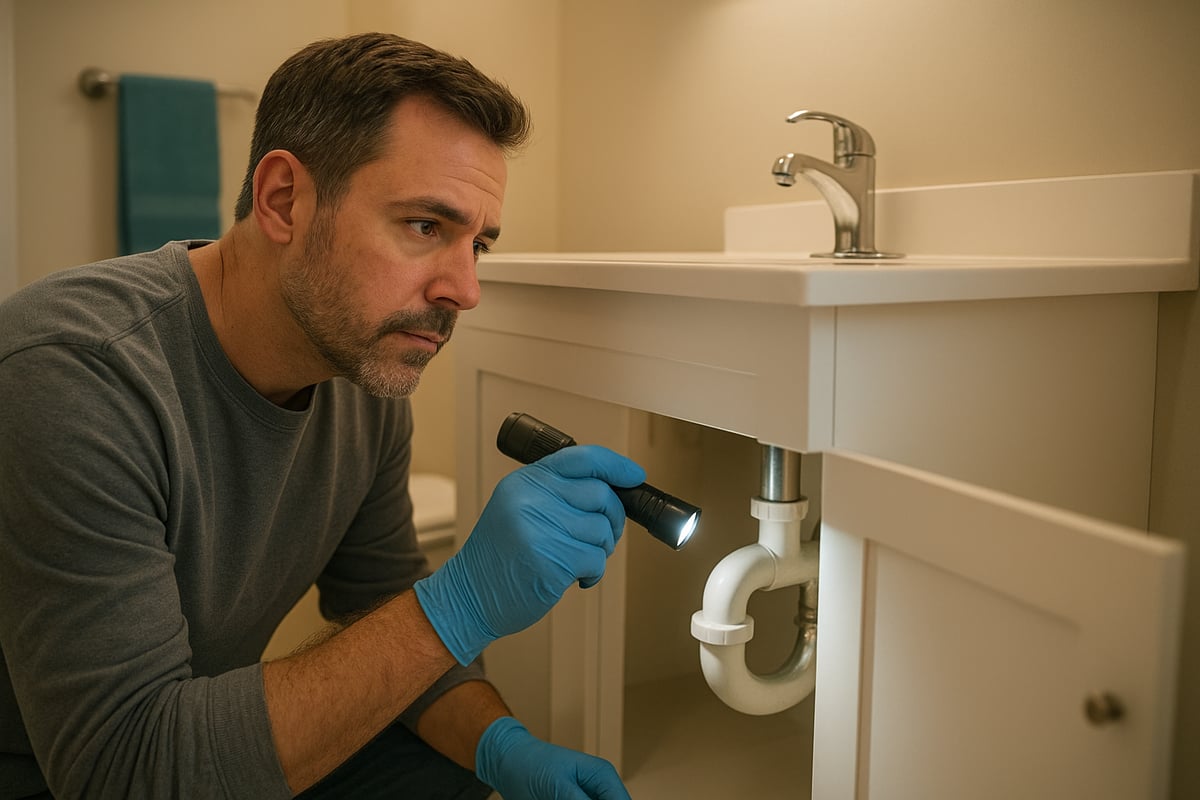
Most Frequent Problems in 2026
Let’s break down the repeat offenders. Dripping faucets may seem harmless, but the EPA says about 10 percent of homes waste over 90 gallons of water a day this way. That adds up quickly on your water bill!
Running toilets are another sneaky culprit. Sometimes they make noise, but silent leaks can waste even more water without you noticing. Then there are slow or clogged drains—usually thanks to hair, soap, or mineral buildup. Low water pressure can turn your shower into a trickle, often from sediment or fixture problems.
Leaky pipes might be hidden, but the risk is real: water damage and mold love to creep in. Faulty shower valves can cause wild temperature swings. Outdated pipes may not meet 2026 codes, causing headaches for repairs. A recent survey found 40 percent of homeowners deal with at least one bathroom plumbing repair issue each year.
Signs You Need Immediate Repair
How do you know if your bathroom plumbing repair can wait or needs urgent attention? Look for water stains on ceilings or walls near the bathroom. Musty odors that won’t go away often mean a hidden leak.
Listen for odd pipe noises like banging, whistling, or gurgling. If your water bill suddenly spikes, that’s a big red flag. Mold around fixtures or inside cabinets is another warning sign. Don’t ignore wet spots on the floor or under sinks.
One Atlanta homeowner learned the hard way: a slow leak ignored for months led to over $5,000 in repairs. Catching these signs early is key to avoiding a costly disaster.
Preventative Maintenance Insights
Here’s the good news: a little prevention goes a long way. Regularly cleaning your drains keeps clogs at bay. Every year, check your supply lines and shut-off valves. Inspect the caulking and grout to block water from sneaking behind surfaces.
Upgrading to water-efficient fixtures can save money and headaches. And don’t forget to schedule an annual plumbing inspection. If you want a checklist to cover all the bases, check out this helpful Plumbing Inspection Checklist for peace of mind.
Stay ahead of bathroom plumbing repair problems with these habits, and your bathroom will thank you.
Step-by-Step Guide: Fixing Common Bathroom Plumbing Problems
Ready to tackle bathroom plumbing repair like a pro? Grab your tools and let’s walk through the fixes for the most common issues you’ll face. Each step is beginner friendly, so you can restore your bathroom’s comfort and avoid those stressful surprises.
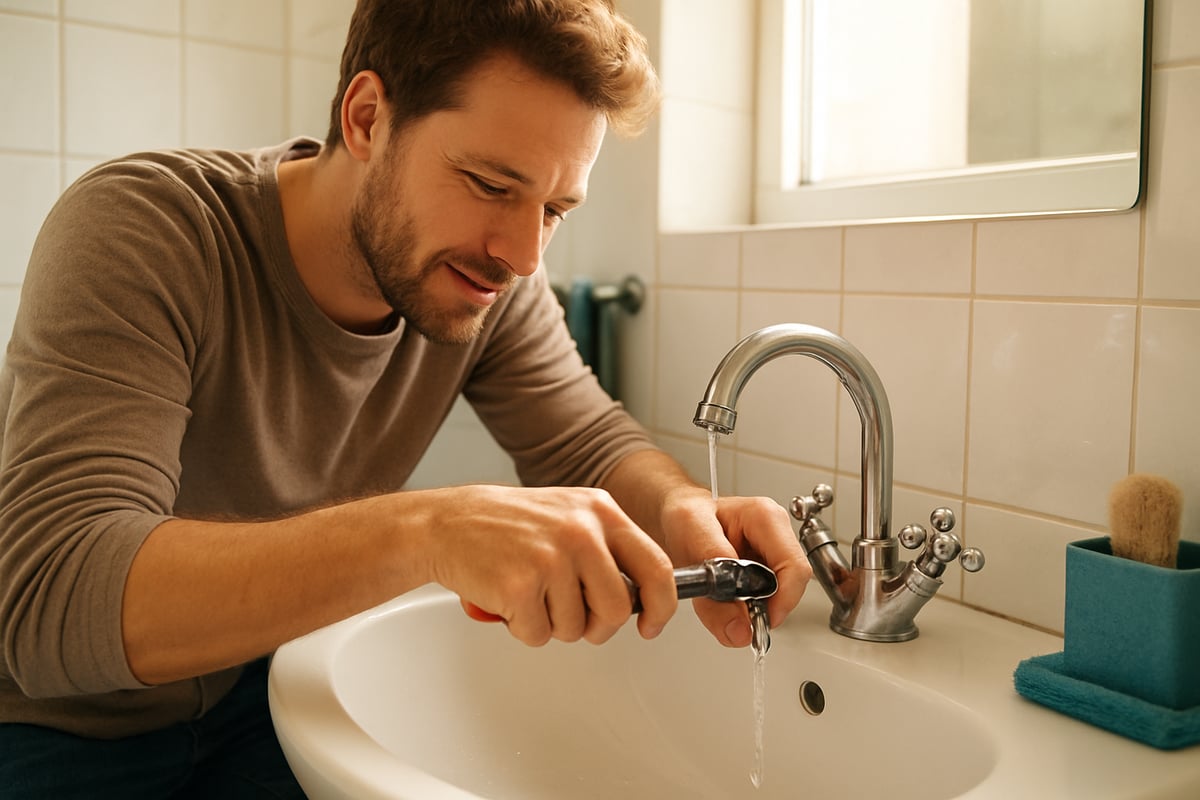
How to Fix a Leaky Faucet
A dripping faucet drives you nuts and can spike your water bill. Don’t worry, bathroom plumbing repair here is straightforward.
First, turn off the water supply under the sink. Next, remove the faucet handle using a screwdriver. Check the cartridge or washer inside—worn parts are usually the culprit.
Swap out the old cartridge or washer for a new one, making sure it matches your faucet’s brand. Reassemble everything, turn the water back on, and test for leaks.
Need more tips for faucet fixes? Check out these Shower and Faucet Repair Tips for extra help. Catching drips early with bathroom plumbing repair can save you thousands of gallons of water every year.
Unclogging Drains Safely and Effectively
Clogs are a classic bathroom headache. For this bathroom plumbing repair, remove any visible hair or debris from the drain first.
Next, grab your plunger and give it a few firm pushes to dislodge the blockage. Still stuck? Try a hand auger or drain snake to break up deeper clogs.
Skip harsh chemicals—they can damage your pipes long term. Instead, regular cleaning and drain screens help prevent future clogs. Quick bathroom plumbing repair here keeps your drains flowing and your bathroom smelling fresh.
Repairing a Running Toilet
A running toilet wastes water and gets on your nerves. Start your bathroom plumbing repair by checking the flapper. If it’s warped or not sealing, swap it for a new one.
Next, inspect the fill valve and float. Adjust or replace them if the water keeps running. Make sure the chain isn’t tangled or too short.
Flush and listen—if it’s still running, you may need a deeper look. Smart leak sensors are a great 2026 upgrade for bathroom plumbing repair, making it easier to spot hidden leaks before they cost you money.
Handling Low Water Pressure
Low water pressure makes showers less satisfying and handwashing a chore. For this bathroom plumbing repair, start by unscrewing the faucet aerator and cleaning out any gunk.
Check your supply lines for leaks or kinks. Sometimes flushing your pipes clears out built up sediment. If fixtures are still weak, it might be time to replace them.
If none of these steps fix the issue, you could have a main line problem. Don’t ignore persistent low pressure—a quick bathroom plumbing repair now can prevent bigger headaches later.
Advanced Repairs: When to Call a Pro
Ever tried tackling a bathroom plumbing repair and found yourself knee-deep in water, wishing you’d just called an expert? Some jobs really do need a pro. Here’s how to know when it’s time to bring in the cavalry.
Fixing Leaky Pipes & Hidden Water Damage
Spotting a hidden leak can be tricky. Look for pinhole leaks, corrosion, or water stains near pipes. These little issues can spiral into major headaches—think mold, warped floors, or even structural damage.
DIY pipe repairs might sound tempting, but they often lead to bigger problems if not done right. Temporary fixes like pipe clamps or waterproof tape can buy you time, but they’re no substitute for professional bathroom plumbing repair.
Ignoring leaks is risky. Water damage can get expensive fast. If you see warning signs or suspect hidden damage, reach out to a pro. Sometimes, a bigger fix or even bathroom remodeling is the safest bet.
Shower Valve & Tub Repairs
Is your shower suddenly scalding hot, then ice cold? That’s a sign your shower valve or cartridge is failing. Diagnosing these temperature swings isn’t always straightforward.
Replacing faulty cartridges, diverters, or tackling tub drain leaks can require special tools and know-how. Older plumbing systems add another layer of complexity.
Sometimes repair costs outweigh replacement. If you find yourself repeatedly fixing the same issue, a professional bathroom plumbing repair can help you decide whether a full upgrade is the smarter move.
Upgrading Plumbing Fixtures for 2026
Thinking about new fixtures? Upgrading to water-saving toilets, touchless faucets, or smart showerheads brings comfort and efficiency to your bathroom.
Tankless and hybrid water heaters are hot in 2026 for a reason. They save space, cut energy bills, and deliver endless hot water. But professional installation is a must for these advanced systems. For a seamless bathroom plumbing repair or upgrade, trust a licensed expert.
If your hot water is inconsistent or you’re considering a switch, check out our tankless water heater installation & repair or hybrid water heater installation & repair services.
Fix & Flow Plumbing Co.: Atlanta’s Trusted Experts
Fix & Flow’s licensed team is here for you 24/7, whether it’s a midnight leak or a morning remodel. From small bathroom plumbing repair jobs to full renovations, we’ve got Atlanta covered.
You’ll get free estimates, upfront pricing, and a satisfaction guarantee. Plus, first responders, teachers, military, and veterans get 10% off every service.
Essential Tools & Supplies for Bathroom Plumbing Repairs
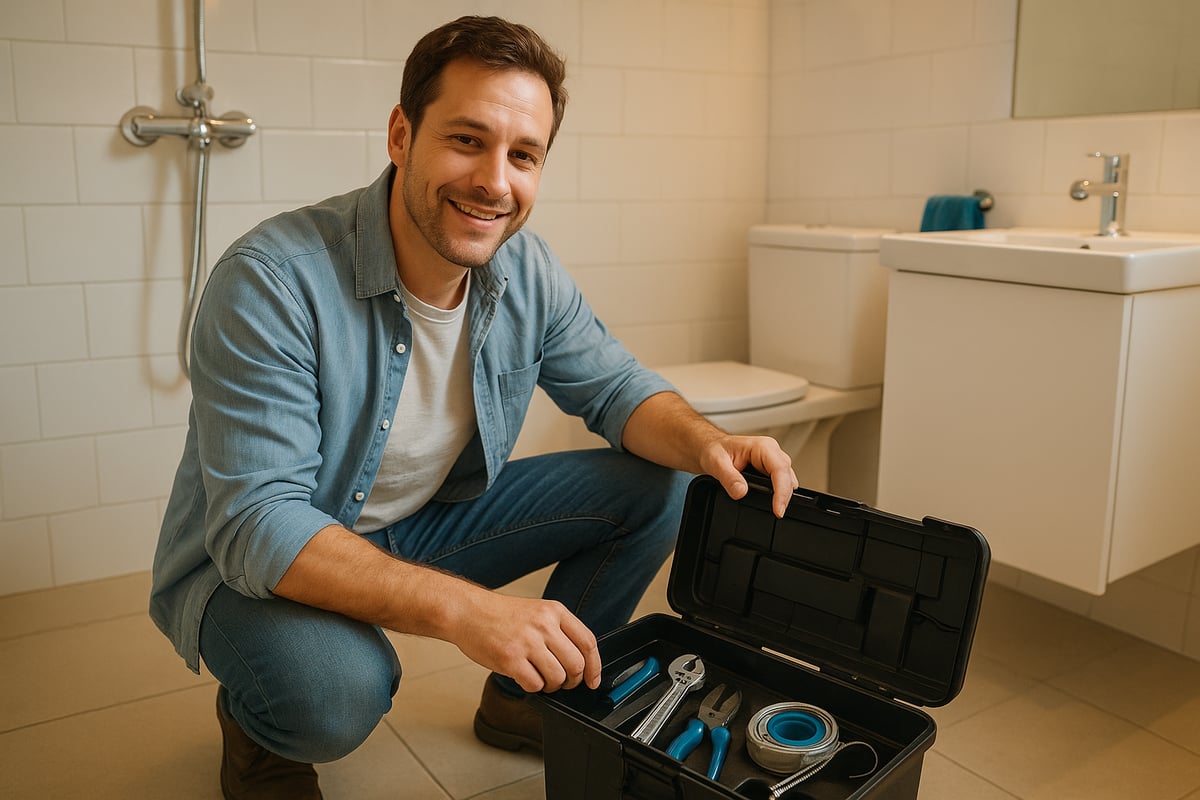
Tackling bathroom plumbing repair yourself? You do not need a truckload of gear, just a few essentials. Having the right tools on hand saves you time, money, and frustration. Let us break down what you need, how to pick the right parts, and some must-know safety tips before you dive in.
Must-Have Tools for Homeowners
To start any bathroom plumbing repair, you want the basics within reach. Here is your short list:
- Adjustable wrench for tightening and loosening connections
- Basin wrench for those hard-to-reach nuts under sinks
- Pliers for gripping and twisting
- Plunger for quick clog fixes
- Hand auger (drain snake) for deeper blockages
- Pipe tape to seal threaded joints
- Plumber’s putty for watertight seals
- Flashlight for peering into dark spaces
- Safety gear like gloves and goggles
Investing about $50 in these tools can save you hundreds on emergency repairs. Most bathroom plumbing repair jobs start with these basics. Got them? You are already ahead of the game.
Choosing the Right Replacement Parts
Picking the right parts is just as important as having the right tools for bathroom plumbing repair. Always identify the correct cartridge, washer, or gasket for your fixture. Using OEM (original equipment manufacturer) parts helps prevent future leaks and headaches.
When swapping out fixtures, consider upgrading to water-saving options. Low-Flow Fixtures not only help conserve water but can also keep you compliant with current regulations. Keep a small stash of common parts on hand for surprise fixes, and double check compatibility before you buy. This way, you avoid annoying mismatches and keep your bathroom running smoothly.
Safety Tips for DIY Plumbing
Before you roll up your sleeves for any bathroom plumbing repair, think safety first. Always shut off the water supply before you start. After repairs, double-check all connections for leaks.
Avoid mixing different metals in your plumbing to prevent corrosion. If you are ever unsure or something feels over your head, it is smart to call a pro. For expert help with fixtures, check out Sinks & Faucets to keep your bathroom safe and leak-free.
Preventing Future Bathroom Plumbing Issues
Taking a proactive approach is the secret to avoiding those surprise leaks and clogs that love to show up uninvited. Let’s walk through simple steps, smart upgrades, and family habits that keep your bathroom plumbing repair needs at bay. Here’s how you can protect your peace of mind and your budget.
Routine Maintenance Checklist for 2026
Staying ahead of bathroom plumbing repair headaches is all about routine. Here’s a quick checklist to keep things running smoothly:
- Check for leaks and drips every month.
- Clean aerators and showerheads each quarter.
- Inspect supply lines and shut-off valves annually.
- Test water pressure and temperature regularly.
- Schedule a professional plumbing inspection once a year.
By making these steps a habit, you’ll catch small problems before they grow. Preventative care keeps your bathroom stress-free and your wallet happy.
Modern Upgrades That Reduce Repairs
Thinking about updating your space? The right upgrades can lower your bathroom plumbing repair needs in a big way. Water-efficient toilets and faucets save gallons, while smart leak detectors and shut-off valves spot trouble early.
Anti-scald devices add safety, and water filtration systems keep pipes healthier. Industry experts see smart tech and sustainability as leading plumbing industry trends for 2025. Modernizing your bathroom today means fewer repairs tomorrow.
Educating Your Household
Everyone in your home can help prevent bathroom plumbing repair emergencies. Teach your family not to flush wipes or other non-flushables. Encourage gentle use of handles and faucets.
Share how to spot early signs of leaks, like musty smells or small puddles. Remind everyone to clear hair from drains and avoid pouring grease down sinks. When everyone pitches in, your plumbing stays healthier for longer.
When to Schedule a Professional Inspection
Sometimes, a bathroom plumbing repair needs a pro’s eye. Call for an inspection if you notice persistent leaks, water stains, or unexplained spikes in your water bill.
Catching issues early means avoiding major headaches and expensive fixes down the road. Annual checkups offer peace of mind, knowing your bathroom is in top shape and ready for whatever life brings.
So, after walking through all these practical tips and expert fixes, you might be wondering, “Alright, what’s my next step if I’m still stuck with that stubborn leak or a mystery plumbing issue?” Here’s the thing: you don’t have to take on every bathroom plumbing challenge alone. Whether it’s a small drip that’s driving you crazy or a bigger repair that’s just out of your comfort zone, we’ve got your back. Ready for peace of mind and a bathroom that works like it should? Book Appointment with the Fix & Flow team—we’ll handle the rest so you can get back to enjoying your home.