 Skip to content

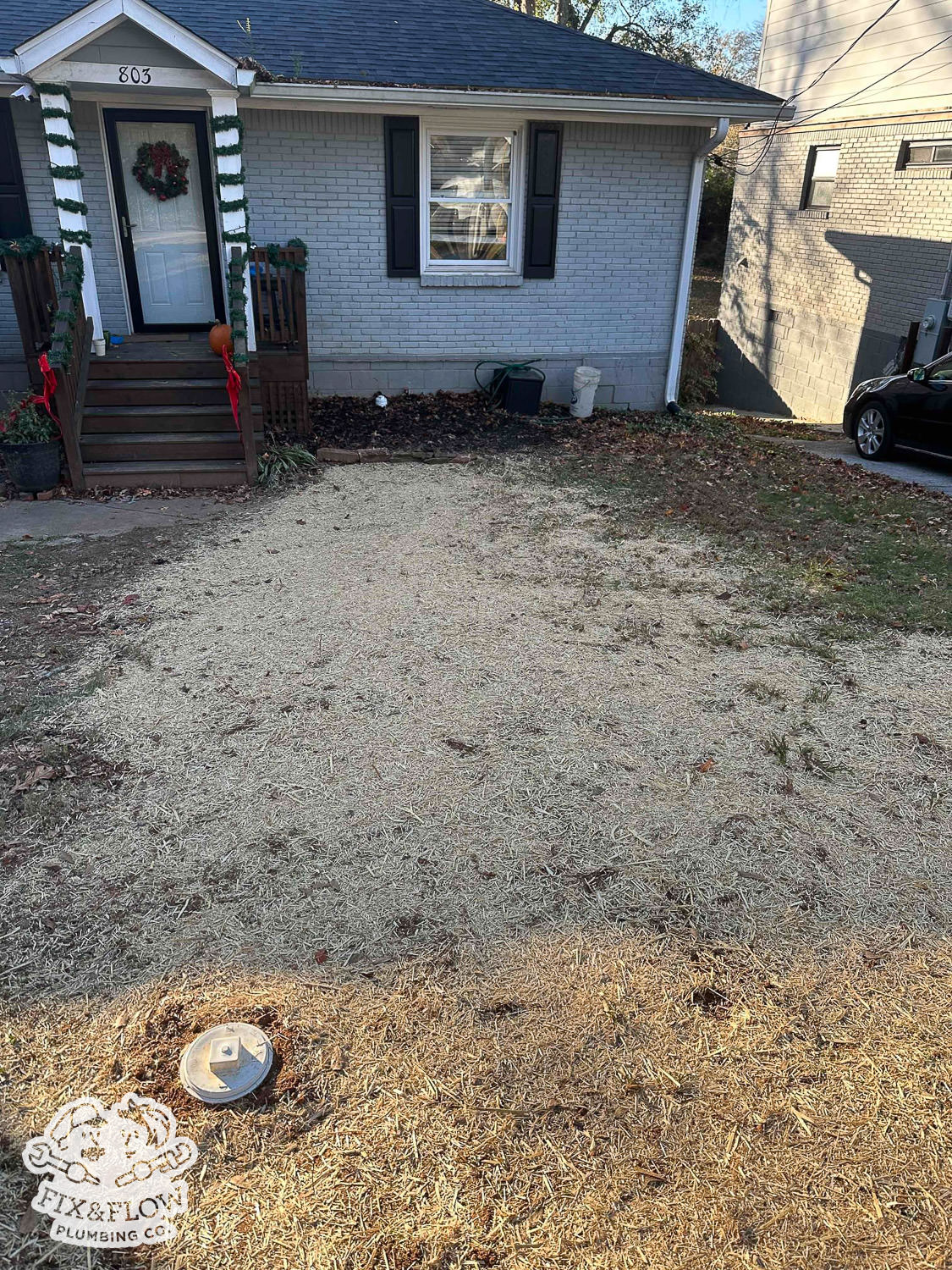
Sewer line problems are among the most disruptive plumbing issues for homeowners in Atlanta. When traditional repair methods require massive digging and yard destruction, a trenchless sewer line repair offers a powerful alternative. At Fix & Flow Plumbing, we’re often asked: what makes trenchless sewer line repair different, and when is it the right choice? Let’s walk through everything you need to know.
What Is Trenchless Sewer Line Repair?
“Trenchless” means repairing or replacing sewer pipes without extensive digging. Instead of excavating large trenches, trenchless options like cured-in-place pipe (CIPP) lining or pipe bursting are used. These methods allow repair specialists to work from access points like cleanouts—minimizing disruption to landscaping, driveways, walkways, and your daily life.
Popular Trenchless Methods
- CIPP Lining (Pipe Lining): A flexible liner saturated with resin is inserted into the existing pipe, then inflated and cured, forming a new pipe within the damaged one.
- Pipe Bursting: The old pipe is fragmented while a new pipe is pulled through its path.
- Sleeving: Small-diameter sleeves are used in some spots to patch damage without full replacement.
Benefits of Trenchless Repair vs Traditional Excavation
Here are the advantages that set trenchless repair apart:
- Less Disruption: No trenches mean less lawn damage, no driveway or concrete disruption, and lower restoration cost.
- Faster Project Times: Many trenchless repairs can be completed in a day where traditional digging might take multiple days.
- Reduced Costs in Some Cases: Although the upfront cost may be higher than simple spot repairs, when you factor in landscaping, cleanup, and restoration, trenchless can be more cost-effective.
- Longer Lifespan: New materials used in trenchless methods often resist root intrusion, corrosion, and degradation better than older clay or cast-iron pipes.
- Fewer Permits & Easier Cleanup: Less digging usually means fewer permits and quicker site restoration.
When Trenchless May Not Be the Best Option
While trenchless sewer repair is great, it’s not always the answer. Here are situations where traditional repair or partial excavation may still be required:
- Severe pipe collapse or misalignment that trenchless lining can’t correct.
- Multiple offsets in pipe, sharp bends, or long runs with many connections.
- Pipes with roots invading extensively in ways that block even lining methods without clearance.
- Very old material where the structural integrity is compromised beyond what lining can safely reinforce.
The Process: What to Expect When You Choose Trenchless
Here’s a typical timeline and what Fix & Flow does when trenchless repair is chosen:
- Video Inspection: We send a sewer camera through cleanouts to assess the damage. This step helps determine whether trenchless can be used. (See our Sewer & Drain services page for more.)
- Method Selection: Based on pipe condition, length of damage, and layout, we decide on lining, bursting, or partial repair.
- Permitting & Planning: For most substantial sewer work in Atlanta, permits are required. We handle this so homeowners don’t have to worry.
- Installation: Experts perform the repair from access points, avoiding major digging.
- Post-Repair Testing & Warranty: Once repaired, we test for leaks, inspect flow, and ensure roots or damage won’t return soon. Our work is backed by warranty and quality checks.
Cost Comparison: Trenchless vs Traditional Repair in Atlanta
Costs vary depending on severity, length of pipe, material, and location. For instance, a full excavation can include restoring landscaping, driveways, or patios. Trenchless methods often save on those restoration costs. While traditional repair may seem cheaper upfront, the total out-of-pocket cost after digging, cleanup, and time can exceed the cost of trenchless repair.
Why Fix & Flow Is Your Trenchless Sewer Line Specialist
At Fix & Flow Plumbing Co., we’ve handled many challenging sewer & drain cleaning in Atlanta cases, including those that benefited from trenchless solutions. Our Inman Park sewer line repair and East Atlanta projects show how we combine video inspection, root treatment, and repair with minimal disturbance. We’re licensed, experienced, and pay attention to your yard as much as your pipes.
FAQs About Trenchless Sewer Line Repair
What does “trenchless” mean for sewer repair?
Trenchless means repairing sewer lines without large trenches—using methods like pipe lining or pipe bursting to avoid major digging and disruption.
Is trenchless repair more expensive?
Sometimes the upfront cost is higher, but trenchless often saves money in the long run because you avoid restoring driveways, lawns, landscaping, and less labor for digging and backfill.
How do I know if trenchless is the right option for my sewer line?
A video sewer inspection is the best way to tell. We evaluate pipe condition, alignment, material, root intrusion, and location to decide whether trenchless will work or if traditional excavation is needed.
Will trenchless repair last as long as traditional replacement?
Yes—when done correctly, trenchless repairs using quality materials can last 20–50 years or more, similar or better than traditional pipe materials.