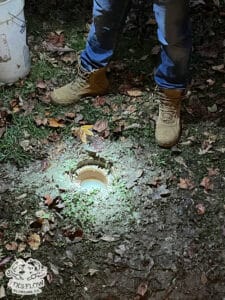
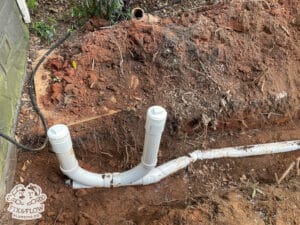
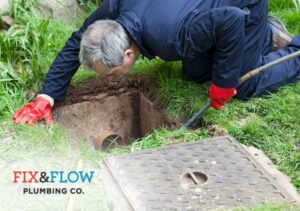
The underbelly of your house includes a system of drain and sewer lines that pump all the used water from your pipes to the city’s sewage pipes. Many Atlanta homes have sewer and drain lines that were installed decades ago, and there are many issues that can occur from these fragile antiques—from dips that form over time to roots growing into them. Contact us today to learn more about our sewer line repair and services.
“Five Stars for Fix & Flow! We had a whole house drainage issue. They were quick to respond and got everything flowing again. Customer service is beyond anything I’ve ever experienced with a plumbing service.”
“My mainline water pipe burst and I noticed pools and puddles of water on my front lawn. The team quickly solved the problem and repaired the leak for a reasonable price. I would highly recommend their services for their promptness and professionalism. A true blessing.”
“This was an emergency, and Anthony arrived within 1 hour. He examined the problem, found the issue, stopped the leak and fixed the pipe very quickly. Thank you!”

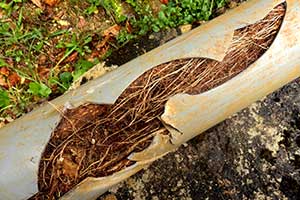
One common residential sewer issue that we encounter are tree roots growing into the sewer line. The roots grow into the line and block it, preventing water and waste from flowing properly. This is especially common given Atlanta’s dense foliage, and often occurs in the Spring growing season. We always start with a camera sewer inspection to confirm the nature of the problem and to pinpoint where it’s located. If we determine it is indeed root growth, we’ll deploy hydro jetting to clear the roots, and in some cases recommend replacing a section of any failed sewer line to restore adequate water flow to your drain, and prevent roots from intruding again.

Aside from tree roots growing into the sewer line, there are other items that may impede proper waste water transfer. For instance, grease buildup can occur and restrict waste water flow – and while this is more common in commercial properties, it can happen in residential ones too if you’re regularly washing grease down the sink instead of properly discarding it. Blockages may also occur if items other than toilet paper or waste have been flushed down the toilet. Flushed baby wipes, personal care products, child’s toys and paper towel can build up in the sewer and cause blockages over time. Contact us today for sewer line repair services.
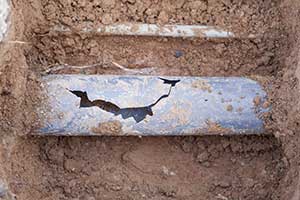
Many homes in Atlanta’s historic neighborhoods still have old cast iron drain pipes, and clay sewer lines. These antiques have long surpassed their service life and their failure is almost inevitable. Whether it’s from old age, improper installation or something else, sewer lines can sustain damage that require repair or replacement. Failure to correct any issues can cause your yard to flood, develop sinkholes, or lead to sewage backups in the property. Our plumbers are trained and equipped for any type of sewer line repair work. Sewer line repair is usually a heavy duty job that requires excavation to access the drain lines. We will make every effort to minimize our impact on your lawn, and offer grass reseed and straw at the dig site when we are done. For an additional charge we can even provide safe removal and replacement of plants and sod that customers want preserved.
Here’s how we successfully resolve your sewer and drain issues:
For more information on Atlanta sewer inspection and sewer line repair, contact us today. We’ll quickly identify the problem with your sewer line and provide the best solution to restore proper drain service.
Watch for these warning signs in your Atlanta home for sewer line repair:
A sewer camera inspection by a licensed plumber is the best way to identify whether a targeted repair is sufficient or if full replacement is necessary. This method allows pinpoint accuracy and avoids unnecessary excavation.
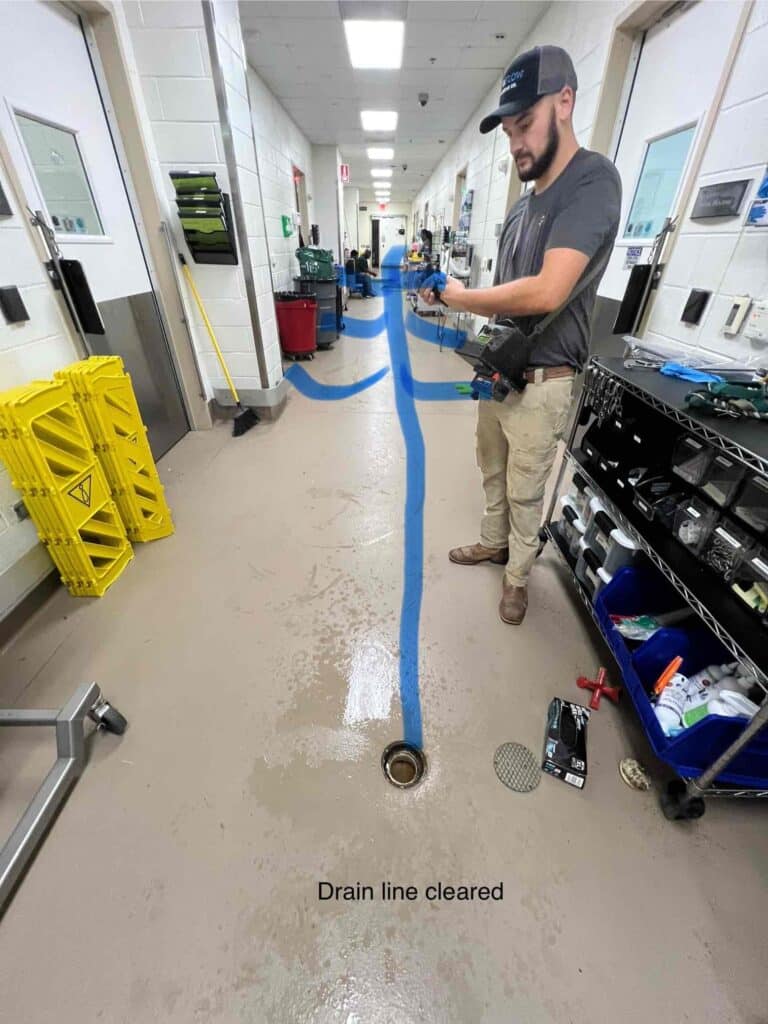
A specialist inserts a flexible, waterproof camera into the sewer line—this non-destructive inspection reveals blockages, cracks, tree root intrusion, bellies, and corrosion for a sewer line repair. It helps you make informed decisions and can detect issues before they escalate.
In many cases, yes. Trenchless methods—such as cured-in-place pipe (CIPP) lining and pipe bursting—repair or replace lines with minimal digging. They tend to be quicker, less disruptive, and can save significantly on yard and landscaping restoration
Pricing varies based on:
While national averages estimate $3,000+ for a full replacement, costs can range higher depending on complexity and site conditions
Yes, in many cases. If damage is localized—such as a minor crack or root intrusion—a repair (e.g., patching, hydro jetting, or spot excavation) may suffice. Often costing between $200–$500, this can be a more budget-friendly solution
A camera inspection clarifies which route makes more sense.
Most standard homeowner policies do not cover sewer line failures, especially due to wear and tear. However, some do offer optional “sewer backup” endorsements. Always check the details of your policy carefully for a sewer line repair, and ask your insurer directly about coverage options.
For proactive maintenance, aim for an inspection every 2–3 years for older systems and every 5 years for newer setups—especially if your home is in a neighborhood with mature trees or aging infrastructure. Seasonal check-ins can help you avoid costly surprises.
If you notice warning signs—persistent clogs, unusual smells, or soggy patches—call Fix & Flow Plumbing at 404-800-3569 for a sewer line repair. We provide trusted sewer camera inspections, accurate assessments, and clear options for repair or replacement tailored to your needs. You can also book a repair from our facebook page.