
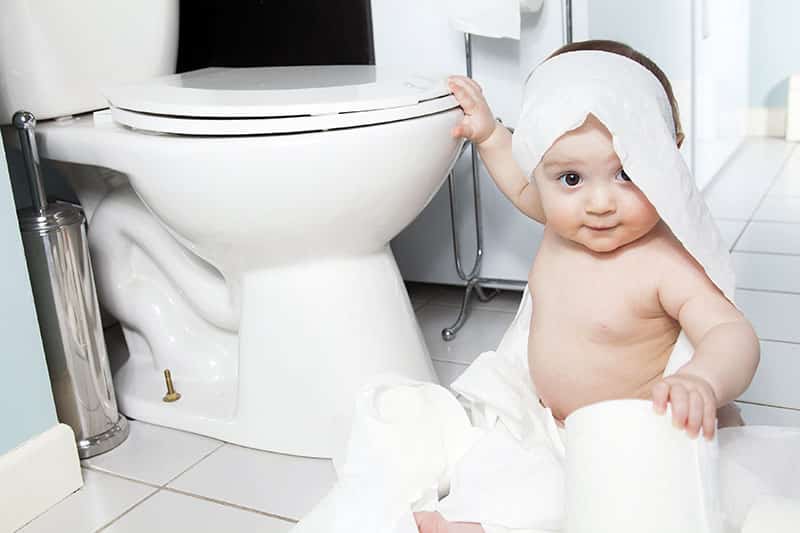
We’ve all been told there are certain items that we just shouldn’t flush down the toilet, but even the smallest, seemingly inconsequential items can clog and contaminate. There are probably more than a few things we’ve flushed without realizing the impact on our pipes and the waterways around us.
Fix & Flow advises against flushing items like facial tissues, wipes, cotton swabs, floss, contact lenses, and cat litter down the toilet. These items, unlike toilet paper, do not break down easily; for instance, facial tissues contain chemical binders, and "flushable" wipes may contain rayon or viscose that accumulate in waterways. Flushing such materials can lead to pipe clogs, toilet repairs, and environmental contamination, as plastic particles from cosmetics and contact lenses can harm wildlife and medications can affect water quality. Therefore, Fix & Flow recommends only flushing human waste and toilet paper to maintain plumbing systems and protect water quality.
Here are a few things to avoid flushing to help prevent the need for toilet repairs, keep your pipes clog-free, and our waterways safe:
Should you flush facial tissues, paper towels, and wipes down the toilet?
While tissues, paper towels, and wipes are similar to toilet paper, they aren’t quite the same. Most facial tissues are treated with chemical binders to help them stay intact, and even “flushable” wipes aren’t as soft and degradable as toilet paper and may contain may contain rayon or viscose, which accumulate in the oceans and bodies of water around us. Your best bet with products like tissues, paper towels, and wipes is to throw them in the trash. Bidets are also an increasingly popular alternative to flushable wipes.
Should you flush personal care and baby products down the toilet?
Cotton swabs, floss, cotton balls, diapers, cosmetics, adhesive bandages, and feminine products don’t break down the way toilet paper is designed to. Some of these products are actually designed to absorb water, so they’ll expand when flushed, and cotton swabs can get caught in the toilet, catching other items and preventing the toilet from flushing effectively. Floss can also do this and contribute to environmental damage, effectively turning into a net that catches other debris. And some of the plastic particles in cosmetic products can also be mistaken for food, contaminating fish and other wildlife.
Should you flush contact lenses and medication down the toilet?
Some experts believe that plastic contact lenses are contributing to an increase in microplastic pollution. Because of their composition, they don’t break down easily and aren’t always captured and removed at treatment plants. The water in your pipes also won’t break down pills and filter them out, which means that the medication can get into the water and affect the environment. If you have medications to dispose of, look into local take-back events or contact your local waste management authority.
Should you flush toys down the toilet?
Our kids are adventurous and imaginative, and sometimes they need a reminder to avoid taking army men for a swim or trying to build an underwater Lego castle. Those small parts can lead to big clogs.
Should you flush cat litter down the toilet?
While some brands of kitty litter are labeled flushable, it’s best to avoid disposing of litter this way. Most toilets don’t use enough water to move the litter through your pipes, and cat litter is designed to absorb and expand, which can create clogs in your pipes (and headaches for you).
When In Doubt, Throw It Out
If you’re not sure if you should flush something down the toilet, then it probably shouldn’t be disposed of that way. Make it a general rule in your household to only flush human waste and toilet paper. Not only will this keep your pipes and plumbing systems working the way they’re supposed to, it will contribute to better drinking water and wastewater management.