
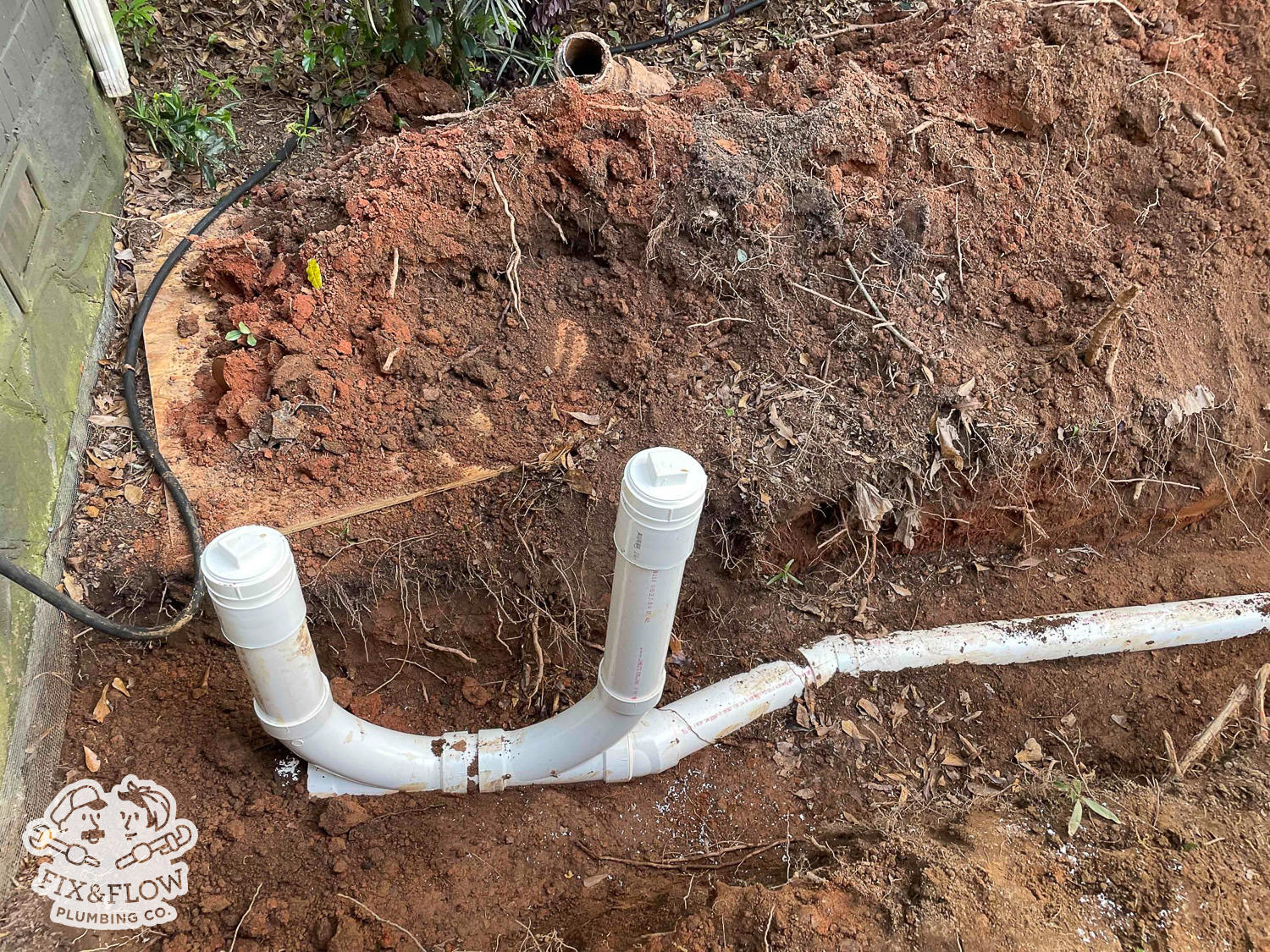
Sewer line clogs are one of those frustrating problems every homeowner wants to avoid. When your sewer line gets backed up, it can lead to slow drains, foul odors, and even costly repairs. The good news? Preventing sewer line clogs is easier than you might think. Understanding the common causes and simple prevention tips can save you headaches and keep your home’s plumbing running smoothly.
To prevent sewer line clogs, homeowners should avoid pouring grease, oil, or coffee grounds down drains and refrain from flushing anything other than toilet paper and human waste. Using drain strainers to catch hair and food particles is also crucial for maintaining clear pipes. Experts recommend scheduling a professional sewer line inspection every 1 to 3 years, especially for older homes or those with many trees, to detect potential issues early. Additionally, monitoring landscaping and avoiding planting trees near sewer lines can prevent root infiltration, a common cause of blockages.
Why Do Sewer Lines Get Clogged?
Sewer line clogs happen when debris, grease, or foreign objects build up and block the flow of wastewater. Some of the most common culprits include grease and oil poured down kitchen drains, flushing items that don’t dissolve (like wipes or feminine products), and tree roots that infiltrate pipes. Over time, even small blockages can grow, restricting flow and causing backups.
What Are the Signs of a Sewer Line Clog?
Homeowners often notice slow draining sinks, toilets that back up, gurgling sounds in the plumbing, or unpleasant sewage odors near drains. If you see water pooling in your yard or notice frequent toilet clogs, it could be a sign your sewer line needs attention.
Tips to Prevent Sewer Line Clogs
Preventing sewer line clogs starts with good habits and routine maintenance:
- Avoid pouring grease, oil, or coffee grounds down the drain. These substances solidify and stick to the inside of pipes.
- Don’t flush anything other than toilet paper and human waste. Items like baby wipes, paper towels, and feminine hygiene products can cause serious blockages.
- Use drain strainers to catch hair, food particles, and debris before they enter the pipes.
- Schedule regular professional inspections to catch potential issues before they turn into major problems.
- Keep an eye on your landscaping. Tree roots can grow into sewer lines searching for moisture, so avoid planting trees or shrubs close to your sewer pipes.
Can I Use Chemical Drain Cleaners?
Chemical drain cleaners might seem like a quick fix, but they often do more harm than good. They can corrode pipes and only clear small blockages temporarily. Instead, opt for mechanical methods like drain snakes or call a professional plumber if you suspect a clog.
How Often Should I Have My Sewer Line Inspected?
Experts recommend a sewer line inspection every 1 to 3 years, especially if your home is older or surrounded by trees. Early detection can save you money and prevent emergencies.
When Should I Call a Professional?
If you notice persistent slow drains, sewage smells, or any signs of a sewer backup, don’t wait. A licensed plumber can use a camera inspection to identify blockages and recommend the best solution, whether it’s a simple cleaning or a repair.
What is the best way to prevent sewer line clogs?
The best way to prevent sewer line clogs is by practicing smart habits and staying proactive with maintenance. This includes avoiding flushing or pouring harmful materials down drains, using strainers, monitoring your landscaping for tree roots, and scheduling routine professional inspections. Taking these steps can keep your plumbing system healthy and save you from costly repairs. If you're concerned about your sewer line or need a professional inspection, Fix & Flow is here to help; contact us today for reliable plumbing services you can trust.
If you’re concerned about your sewer line or want a professional inspection, Fix & Flow is here to help. Contact us today for reliable plumbing services you can trust.