
 Skip to content
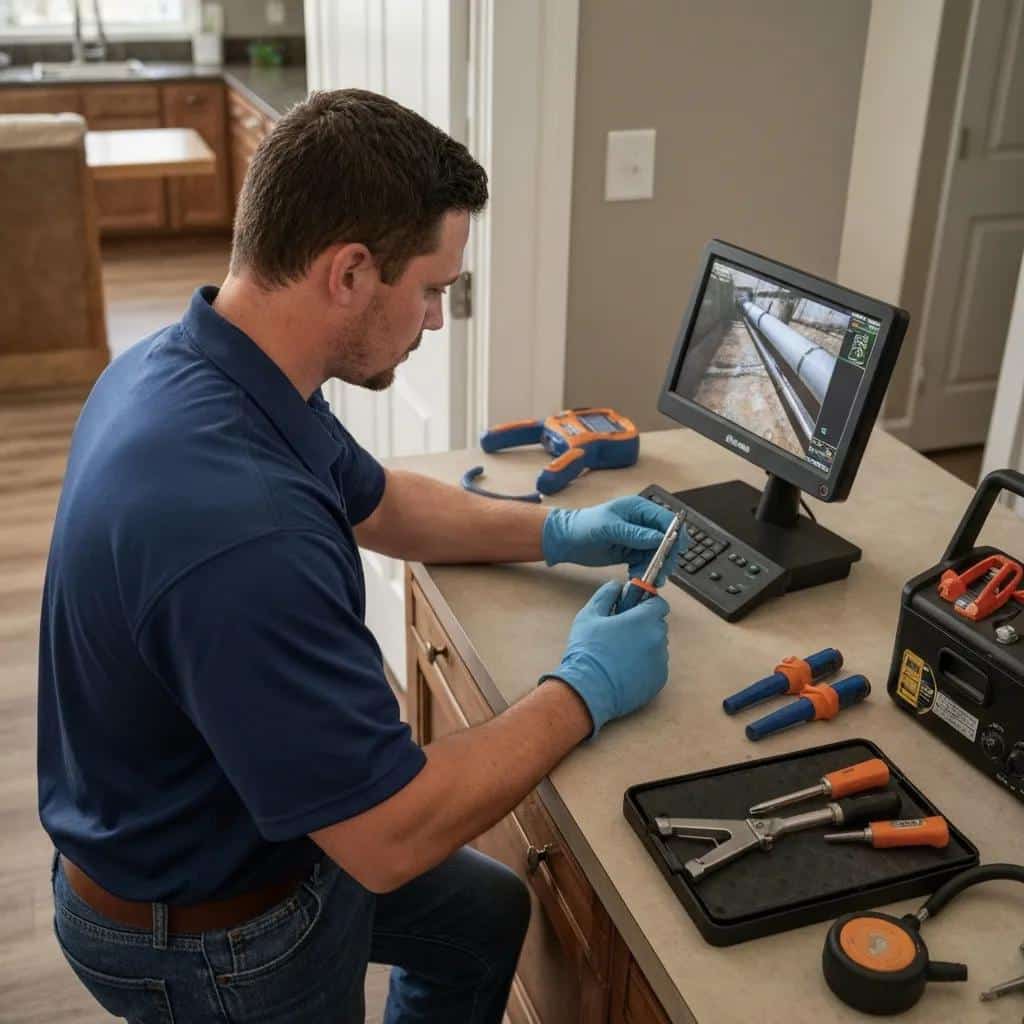
Sewer camera inspection uses waterproof video cameras to inspect the inside of sewer and drain pipes without digging, so homeowners can find the real problem fast. In many intown Atlanta homes, hidden issues — like tree roots, aging clay or Orangeburg pipe failures, and sagging (bellied) sections — are the usual cause of slow drains, backups, or soggy yards. Video inspection shows what’s happening, where it is, and how severe it is. This article walks through how camera inspections work, the equipment technicians use, the main benefits for homeowners, common defects cameras spot, recommended inspection cadence, and realistic cost expectations for Atlanta properties. You’ll see what to expect during an inspection, how recorded footage guides repair choices (hydro‑jetting, relining, or replacement), and how a proper diagnosis can save thousands by avoiding unnecessary excavation. At the end we explain why many locals pick Fix & Flow Plumbing Co. and answer the common cost and capability questions so you can decide whether to schedule an inspection or request an estimate.
A sewer camera inspection puts a waterproof camera on a flexible push rod into the sewer line so technicians can watch live video of the pipe interior. That live feed lets them confirm blockages, cracks, offsets, and root intrusion visually instead of guessing. A locator/transmitter on the camera links the footage to an above‑ground position, so crews can pinpoint where any problem sits. Because you see the issue directly, repairs are targeted and often require far less digging — which lowers scope and cost. Inspections usually start at the nearest cleanout or access point and run along the main line toward the municipal tie‑in, with the technician narrating findings and saving stills and video for a written report. Knowing the process helps explain why many Atlanta homeowners request a camera inspection before approving work. Next, we cover the specific tools used on these inspections.
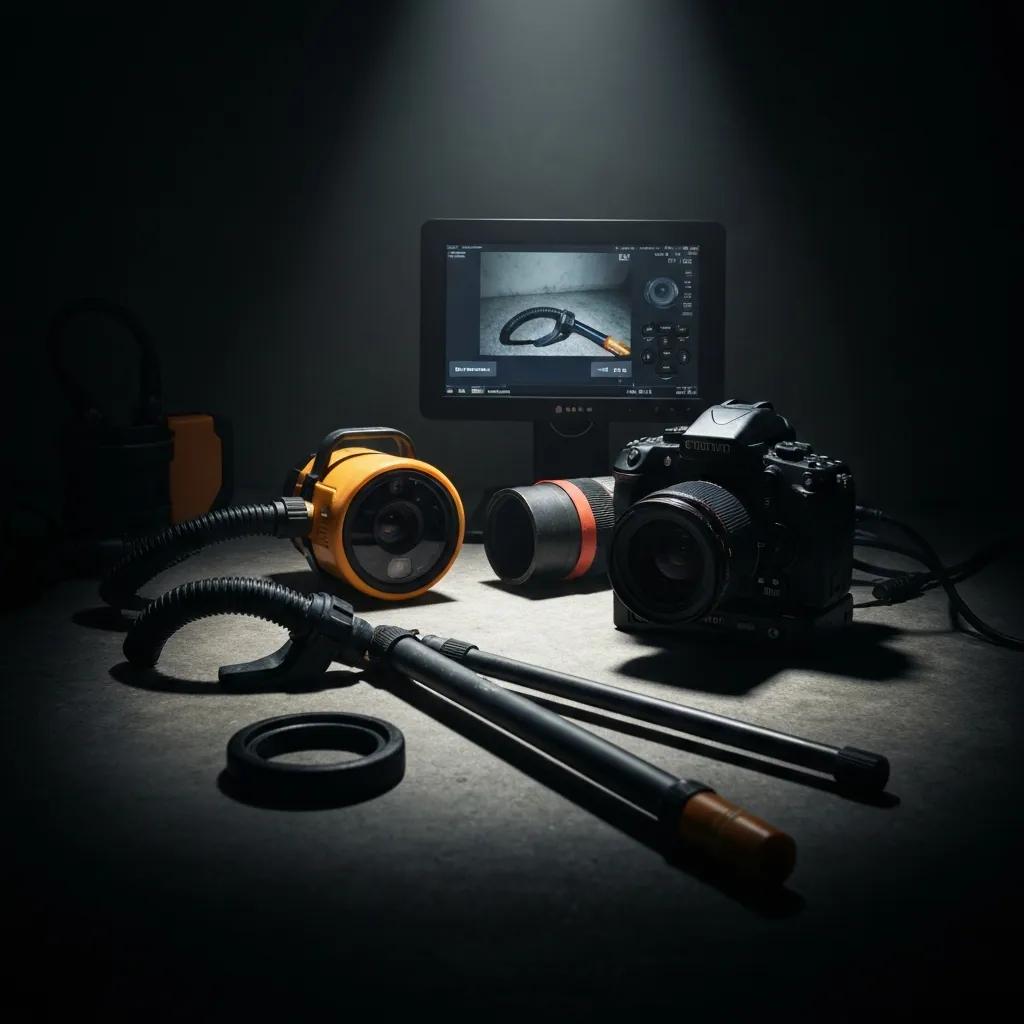
Professional inspections use three core components: a waterproof, high‑resolution camera with bright lights; a flexible push rod or crawler that moves through the pipe; and a monitor/recorder for live viewing and archiving. A transmitter on the camera emits a signal so technicians can map depth and horizontal position above ground — essential for planning trenchless repairs or precise excavations. Professional units capture stills and full‑motion video that become part of the inspection package, letting homeowners and contractors review the same evidence. Pros also bring interpretation experience and ruggedized gear that outperforms consumer kits; reading subtle signs of corrosion, offsets, or bellies takes training and practice.
At the appointment, the technician finds the easiest access point — often an exterior cleanout or an indoor drain — sets up the monitor and recorder, and runs the camera while describing what they see. Most inspections take 45–90 minutes depending on line length and complexity. There’s minimal disruption and no digging for the diagnostic portion. Typical deliverables include recorded video, annotated still images, a written summary of findings, and an above‑ground marker showing any recommended repair location. After reviewing results, the tech will explain options like hydro‑jetting for soft clogs or trenchless relining for localized structural issues so you understand severity and next steps. That transparent review is a big reason homeowners value inspections.
Sewer camera inspections give accurate, non‑invasive diagnosis; clear documentation via recorded footage; cost savings by avoiding unnecessary excavation; and preventive insights that protect property value and reduce emergency repairs. By visually confirming the problem and its location, cameras guide whether hydro‑jetting, relining, root cutting, or full replacement is the right solution — saving time and money versus exploratory digging. Inspections also produce documentation useful for real‑estate transactions or warranty claims, and recurring checks form the backbone of a maintenance plan that extends pipe life. Below we break down how camera diagnostics create that accuracy and how that accuracy translates into measurable savings.
These five benefits show how inspections reduce uncertainty and financial risk. The table below compares each benefit with the typical homeowner outcome.
| Benefit | How It Works | Typical Homeowner Outcome |
|---|---|---|
| Accurate Diagnosis | Live video pinpoints defects and location | Targeted repairs; fewer surprises |
| Cost Savings | Avoids exploratory excavation and overbuilt solutions | Savings often ranging from thousands vs full replacement |
| Preventative Maintenance | Baseline footage and periodic checks reveal trends | Extended pipe life; fewer emergencies |
| Transparency | Recorded video and images included in reports | Better decision-making and documentation |
| Repair Matching | Visual cues guide hydro-jetting vs relining vs replacement | Faster, less invasive solutions implemented |
This comparison shows how each benefit maps to concrete homeowner results. Next, we dive deeper into diagnostic accuracy with local examples Atlanta homeowners will recognize.
Camera inspection gives accuracy by showing direct visual evidence of defects — root masses, cracks, offsets, and bellies — so technicians can identify failure mode and measure how extensive it is. Visual cues like hairline longitudinal cracks, radial fractures, or roots entering through a compromised joint help distinguish between a soft clog that hydro‑jetting can clear and a structural failure that needs relining or replacement. A common Atlanta example: an inspection in an intown home often finds partial root intrusion at an offset clay joint; the footage helps decide whether root cutting plus relining is sufficient or a short replacement is required. Because inspections produce timestamped video and stills, homeowners and contractors can agree on scope and cost more confidently, reducing disputes and speeding repairs. Clear visuals also make trenchless options easier to evaluate, protecting landscaping and hardscapes.
A camera inspection saves money by catching problems early, before they escalate into collapses that demand deep excavation and costly landscaping or driveway restoration. Inspection fees are modest compared with full replacement: identifying a localized defect can lead to relining or a short‑section replacement instead of a full yard excavation that might reach tens of thousands of dollars. Early fixes like hydro‑jetting or relining also reduce repeat emergency visits and their service fees. To illustrate return on investment, avoiding a single full‑yard excavation plus concrete or driveway work can represent $5,000–$25,000+ in savings versus a reactive approach. That cost contrast explains why many homeowners choose inspection first. Next, we list the specific defects cameras commonly detect.

Sewer camera inspections detect many common defects: tree root intrusion, cracks and fractures, bellied or offset pipes, corrosion and scaling, grease or foreign‑object blockages, and collapsed sections. Each issue has a distinct visual signature on camera. Inspections show how large a root mass is, whether a crack is active, where water pools in a belly, or how much scaling has narrowed flow. Early detection helps prioritize trenchless treatments or targeted excavation and sets urgency — some problems need immediate action to prevent backups, while others can be scheduled as planned maintenance. The table below lists typical problems, how they appear on camera, and standard fixes with urgency guidance.
| Problem | Camera Detection Sign | Typical Fix / Urgency |
|---|---|---|
| Tree Root Intrusion | Tangles or filaments entering joints; progressive blockage | Root cutting + relining or replacement; medium to high urgency |
| Cracks / Fractures | Visible line breaks, light infiltration, shifting joints | Relining or section replacement; medium urgency |
| Bellied Pipe | Pooling water, standing debris at low point | Localized replacement or regrade; medium urgency |
| Corrosion / Scaling | Narrowed lumen, rough interior surface | Relining or replacement depending on extent; medium to high urgency |
| Blockages / Grease | Solid mass, reduced flow | Hydro-jetting or mechanical removal; immediate to medium urgency |
That structured view helps homeowners and technicians align on next steps based on what the camera shows. Below we explain how tree roots appear on camera and why they’re especially relevant in Atlanta.
On camera, roots usually look like filamentous masses or branching tendrils entering through joints, cracks, or defects. Over time they can mat and restrict flow or even rub away pipe walls. Severity is judged by how far roots penetrate and whether they’re actively growing — fresh, lighter tips suggest active ingress while older roots look darker and matted. In intown Atlanta, mature trees and older clay or Orangeburg pipes increase root risk because older joints are easier for roots to exploit. Recommended actions range from mechanical root cutting and hydro‑jetting for soft clogs to relining or partial replacement when roots damage the pipe wall. The camera footage shows which approach will work best.
Beyond roots, inspections show cracks, offsets, bellies, corrosion, collapsed segments, and foreign‑object blockages — each defect has a recognizable shape, motion, or texture on video. Cracks often appear as linear breaks with soil or light showing through; bellies show pooled water and a sagging invert; corrosion or scale narrows the pipe and roughens the surface; collapses look like loss of circular profile or debris piles. The appropriate remedy depends on how extensive the damage appears: hydro‑jetting can clear soft obstructions, relining can restore localized structural integrity, and full replacement is best for widespread collapse. Camera footage connects defect severity to the most efficient repair pathway and accurate cost estimates.
Fix & Flow Plumbing Co. offers sewer‑line video inspections tailored to intown Atlanta homes, using modern cameras and licensed technicians to deliver accurate diagnosis, clear reporting, and practical repair recommendations. We emphasize transparency — you get the same recorded footage and written report the technician uses to propose solutions — so you can make informed choices with confidence. Our team pairs pro‑grade equipment (waterproof cameras, locators, high‑resolution monitors) with local experience of Atlanta pipe materials and common failure patterns to recommend cost‑effective, minimally disruptive remedies. If you want to schedule an inspection or request an estimate, call us to book an appointment and get prompt diagnostics for pressing concerns.
Fix & Flow focuses on clear evidence and actionable recommendations to reduce risk and support trenchless options when they’re appropriate. The sections that follow describe what makes our service different and how local knowledge improves inspection accuracy.
Our inspections prioritize documentation and homeowner clarity: we deliver high‑resolution video clips and annotated reports that show defects and mark their above‑ground locations for repair planning. Licensed technicians run professional inspection systems with transmitters for precise depth and position mapping, enabling accurate trenchless or targeted excavation estimates. We perform inspections through existing access points to minimize disruption and recommend the least invasive effective repairs — like hydro‑jetting or relining — when appropriate. That combination of clear documentation, pro equipment, and a minimally disruptive approach helps homeowners understand both the problem and the most efficient repair path.
Familiarity with local pipe materials — older clay, Orangeburg, and early PVC — plus neighborhood factors like mature tree canopies and soil types lets technicians interpret footage with context and predict likely failure modes. For example, a hairline crack in clay pipe under a tree likely points to root ingress, which makes relining plus root‑barrier strategies more suitable than hydro‑jetting alone. Knowing typical Atlanta property layouts helps crews find cleanouts and municipal tie‑ins faster, shortening appointment times. This local knowledge reduces misdiagnosis and improves recommendations for trenchless fixes when they’re feasible, saving homeowners time and money.
Regular camera inspections build a baseline that reveals progressive changes — growing root intrusion, developing corrosion, or forming bellies — so you can schedule repairs before emergencies happen. With inspection results in hand, homeowners can time hydro‑jetting, root management, or relining at lower cost points and avoid reactive full replacements that require major excavation and surface restoration. Inspections also help prioritize spending: when footage shows only a localized defect, trenchless relining can often restore function at a fraction of replacement cost, improving long‑term ROI. The following subsections give inspection cadence guidance and outline long‑term financial benefits with practical scenarios.
How often you inspect depends on home age, proximity to trees, and past symptoms. Older homes with mature trees should schedule inspections every 2–3 years; newer homes or those without heavy root exposure can consider inspections every 4–5 years. Inspect immediately if you see recurring backups, multiple slow fixtures, or unexplained soggy spots in the yard — those can mean active failures needing quick attention. Pairing camera checks with routine maintenance (annual drain cleaning or gutter checks) creates a coordinated plan that reduces surprise failures. A regular cadence based on risk factors lets you intervene early and typically lowers lifecycle costs for your sewer system.
Early detection turns large, uncertain repair bills into smaller, predictable fixes — hydro‑jetting, relining, or short replacements — keeping total lifecycle expenses down and avoiding emergency service premiums. For example, an inspection that costs a few hundred dollars and leads to a relining can prevent a full replacement that would require excavation, driveway repair, and landscaping fixes costing many thousands. Inspections also preserve property value by documenting infrastructure condition for prospective buyers and can reduce liability from sewer‑related damage. Fewer emergency interruptions and faster repair timelines make routine camera inspections a cost‑effective part of home maintenance.
Homeowners often ask about price, capabilities, and whether inspections include repairs. Clear answers set expectations and prompt timely action. Below are straightforward responses to common questions, followed by a compact cost reference table showing typical ranges and factors that affect price in Atlanta. After the FAQs, you’ll find next steps for booking an inspection or requesting an estimate.
| Question | Typical Cost Range | Influencing Factors |
|---|---|---|
| How much does a sewer camera inspection cost in Atlanta? | $270–$1,735 | Line length, access difficulty, reporting requirements, and follow-up diagnostics |
| Is the inspection worth it? | Varies based on findings | Likelihood of costly repairs avoided and frequency of past issues |
| Can inspections find all problems? | Diagnostic only; high detection rate | Pipe material, obstruction type, technician skill |
Inspection pricing in Atlanta varies — reported averages range from about $270 to $1,735 depending on complexity, main run length, access to cleanouts, and whether you request a detailed written report with annotated footage and above‑ground locating. Costs rise for long lateral runs that take more time, difficult access that requires extra labor, or comprehensive mapping for real‑estate or permit purposes. Most inspections include live video review, recorded footage, images, and a summarized report; confirm your expected deliverables before booking so you know what evidence and recommendations you’ll receive. Understanding the cost drivers helps you choose the inspection level that fits your needs and plan for any follow‑up work.
A sewer camera inspection is a diagnostic service: it locates and documents defects but does not repair the pipe during the inspection. Typical follow‑up work informed by the footage includes hydro‑jetting to clear soft blockages, mechanical root cutting for root intrusion, trenchless relining for localized structural defects, or targeted replacement for severely damaged or collapsed sections. The inspection shows whether defects are structural, cosmetic, or flow‑restricting, which lets contractors propose less‑invasive, cost‑effective solutions when possible. After the inspection you’ll get a recommended action plan and cost estimate so you can approve focused repairs with confidence.
Fix & Flow Plumbing Co. is available to perform inspections and advise on next steps for intown Atlanta homeowners. To arrange an appointment or check availability, call the company directly to book an inspection or request an estimate.
Consider a sewer camera inspection if you notice recurring slow drains, frequent backups, or unexplained wet spots in the yard. Other warning signs include gurgling sounds from drains, persistent foul odors, or multiple fixtures acting up at once. These symptoms can point to blockages, cracks, or root intrusion that will worsen if left alone. Early inspection helps prevent major repairs and protects your home.
A standard inspection usually takes 45 to 90 minutes, depending on the sewer line’s length and complexity. The technician locates the nearest access point, sets up the equipment, and performs the inspection while narrating findings. That timeframe allows a thorough look at the pipe interior and time to capture video and photos. You’ll typically receive a detailed report and footage shortly after the inspection.
Camera inspections are safe and non‑invasive with minimal risk to property or equipment. If a line is severely damaged or collapsed, the camera may encounter resistance and a full inspection could be more difficult. Large blockages may need clearing before the camera can pass. Overall, the benefits of identifying issues early far outweigh the small risks involved.
DIY sewer camera kits exist, but they usually lack the resolution, locating capability, and interpretation skills professionals provide. Licensed technicians can read subtle signs of damage, produce a comprehensive report, and recommend the right repairs. For reliable results and peace of mind, hiring a qualified plumbing service is the best choice.
If the inspection finds cracks, blockages, or root intrusion, the technician will give a detailed report with recommended fixes. Discuss the options to understand severity and timing. Common solutions include hydro‑jetting, trenchless relining, or targeted pipe replacement. Acting promptly can prevent further damage and reduce long‑term costs.
Regular sewer camera inspections identify problems before they become emergencies, letting you address minor issues proactively and extend the life of your sewer system. Scheduled inspections reduce the likelihood of costly emergency repairs and provide documentation useful for real‑estate transactions or warranty claims. Routine checks are a smart, cost‑effective part of home maintenance.
**