
 Skip to content
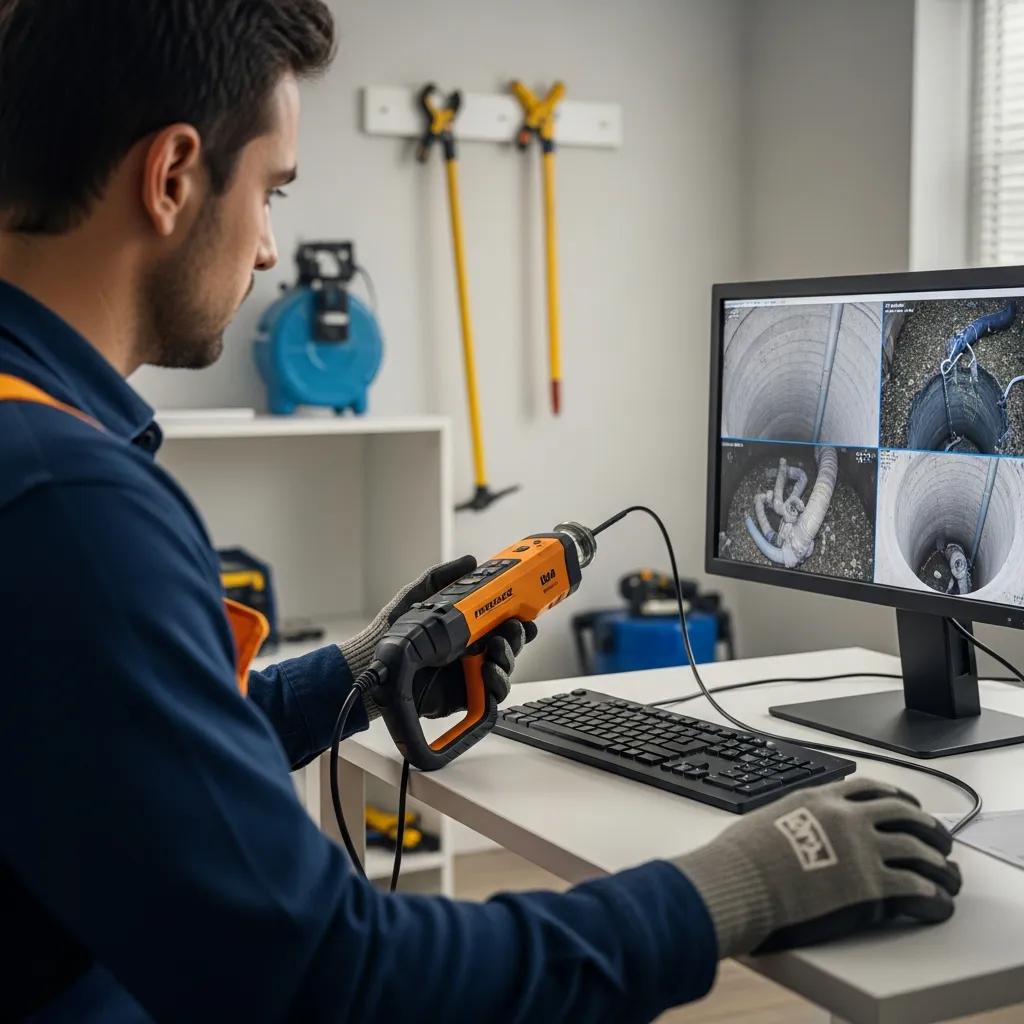
A pipe camera inspection is a non-invasive diagnostic that uses a flexible video camera on a push rod to find, identify, and record issues inside sewer and drain lines — a fast way for Atlanta homeowners to see what’s happening below ground. This guide walks through how video inspections work, the equipment our technicians use, and the common problems cameras reveal (clogs, tree roots, corrosion, hidden leaks). You’ll also learn when to schedule an inspection, which factors affect cost in Atlanta, and how preventive inspections can save time and money by avoiding needless excavation. Finally, we cover what to expect during an inspection, typical next steps after we review the footage, and how a local licensed provider documents findings and handles repairs. Throughout, you’ll find practical checklists, comparison tables, and straightforward booking steps to help you decide if a sewer camera inspection is right for your property.
Pipe camera inspection sends a waterproof, high‑resolution camera through your drain lines to capture live video and recorded footage for detailed analysis. The camera rides on a flexible push rod while a locating transmitter maps depth and horizontal position so technicians know exactly where an issue sits under the surface. The biggest benefit is precision: cameras locate blockages, breaks, and intrusions without unnecessary digging, which keeps repair scope and costs down. Knowing how the process works helps homeowners understand why inspection footage is often the starting point for targeted, trenchless repairs and clear decisions about next steps.
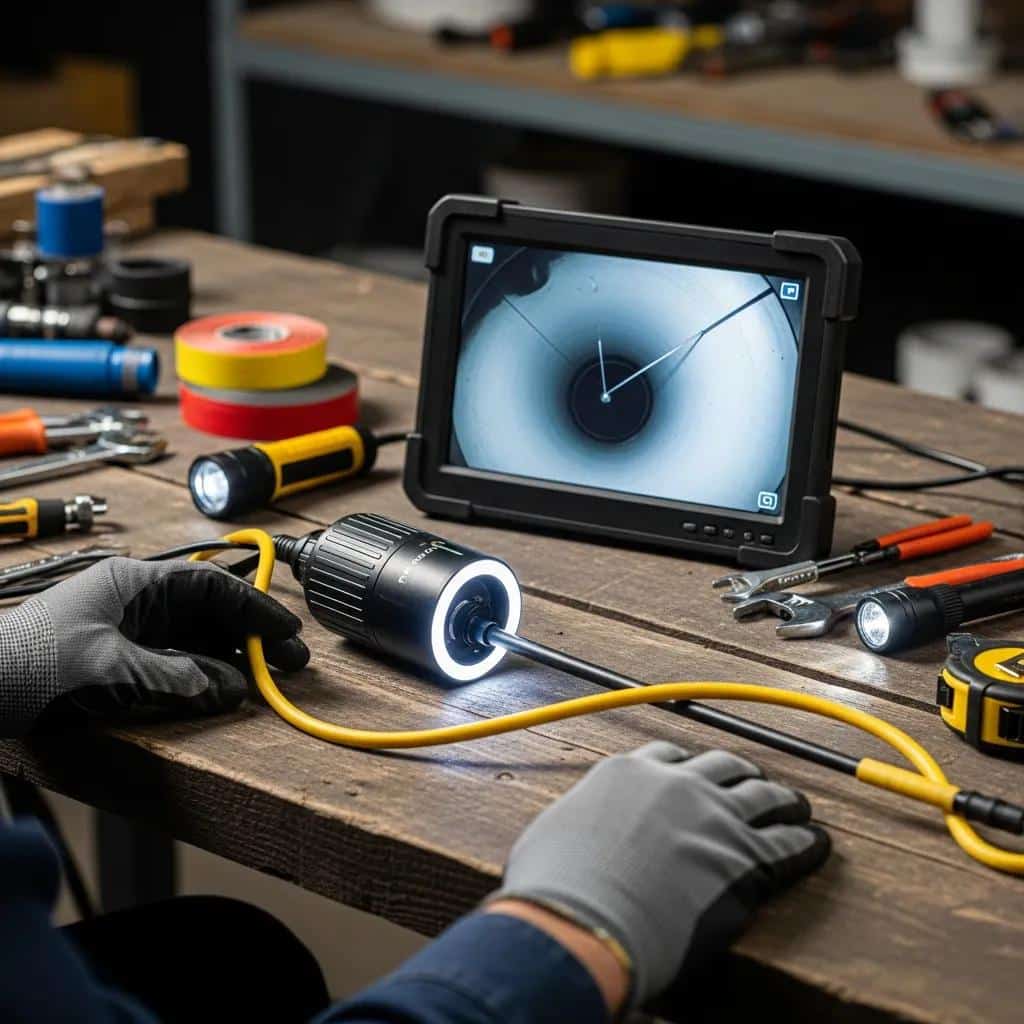
Camera inspections use a small set of reliable tools that work together to locate and document problems inside pipes. A waterproof, high‑resolution camera head captures clear images and often includes its own lights. A flexible push rod or cable feeds the camera through bends and long runs. A locating transmitter lets techs map the camera’s position from the surface, and a real‑time monitor with recording stores the footage for review and reporting. Together these tools create evidence‑grade video that helps plan the least disruptive repair.
Introductory table: the following table explains core inspection components, their features, and the direct homeowner benefits so you know what each item contributes during an inspection.
| Component | Feature | Customer Benefit |
|---|---|---|
| Camera head | Waterproof, high‑resolution video | Sharp footage that reveals blockages, cracks, and intrusions |
| Push rod / cable | Flexible, variable length | Reaches long runs and navigates bends without digging |
| Locating transmitter | Surface signal mapping | Pinpoints depth and lateral position for targeted repairs |
| Monitor & recorder | Live viewing and saved files | You can review footage and keep an inspection report |
This table shows how each piece of equipment translates to practical advantages that reduce guesswork and protect your property.
Non‑invasive camera inspection gives homeowners an accurate diagnosis while keeping property disruption and labor costs low. Because inspectors don’t need to dig to find the problem, landscaping and hardscaping stay intact and repairs can often be limited to spot fixes or relining instead of full replacement. Video footage also documents pipe condition for insurance claims or real‑estate disclosures and gives you a clear basis to compare repair options and estimates. For those reasons, a camera inspection is a cost‑effective first step whenever you suspect hidden sewer or drain issues.
Beyond diagnostics, Fix & Flow Plumbing Co. provides a full range of plumbing services across Atlanta — including specialized work like tankless water heater installation and repair — so we can support the broader needs of your home.
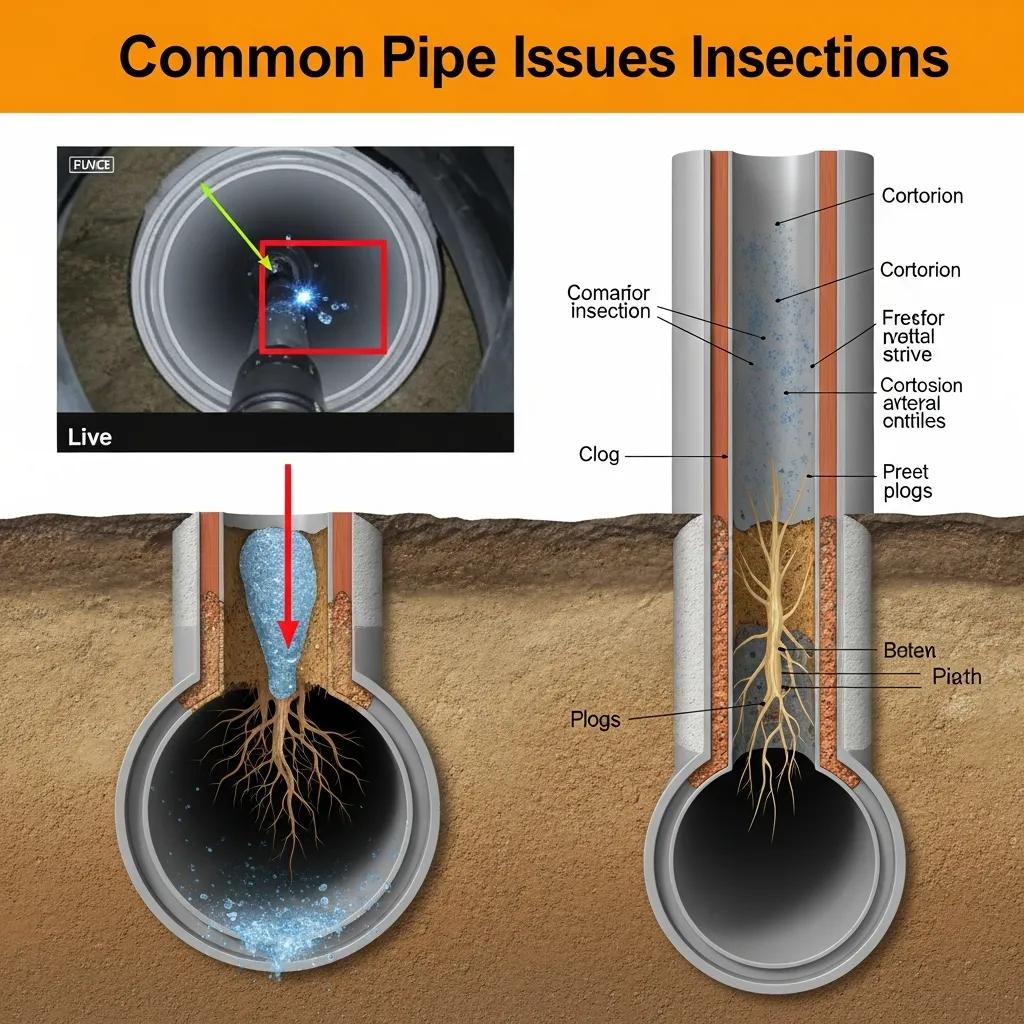
Pipe cameras reveal a wide range of sewer and drain problems by showing the actual condition of the pipe interior. Typical issues you’ll see on video include soft blockages like grease and hair, hard obstructions from foreign objects, tree root intrusion that narrows or punctures lines, corrosion or pitting in older metal pipes, collapsed or offset joints, and active leaks where water escapes into surrounding soil. Footage helps decide whether the next step is cleaning, relining, a localized repair, or full replacement, and it guides a sensible preventative maintenance schedule. Clear video also lets technicians prioritize repairs by severity and accessibility.
Cameras show the type, location, and consistency of a clog so technicians can choose the right remedy. Grease and hair usually look like smeared or fibrous buildup and often respond to hydro jetting, while mineral encrustation or foreign objects may require mechanical snaking or specialized removal. The camera also reveals whether a clog is near a single fixture or deep in the main line, letting techs use the least invasive tool and cut down repeat visits. Visual evidence reduces uncertainty and speeds decision‑making when backups keep happening.
Yes. Video shows root filaments, radial cuts, and joint offsets where roots exploit weak points, and it reveals pitting, flaking, or scale that signal corrosion in aging metal pipes. Minor root intrusion can sometimes be removed and the line relined, while severe penetration or structural failure may require replacement. Corrosion patterns help determine whether relining, spot repair, or full replacement is the safest long‑term solution. Interpreting these visual cues helps you weigh trenchless versus open repair options.
Introductory problem table: the table below maps common pipe problems to on‑camera signs and typical next steps so you can match symptoms to likely remedies.
| Problem | On-Camera Signs | Typical Next Steps |
|---|---|---|
| Clog | Bulky buildup, smeared debris | Hydro jetting or snaking depending on material |
| Tree root intrusion | Filaments, joint penetration | Root removal, then relining or targeted replacement |
| Corrosion | Pitting, scale, thinning walls | Relining or replacement depending on integrity |
| Leak / joint failure | Active seepage, voids | Locate exact spot and patch, reline, or replace |
This table helps homeowners visualize how camera findings translate into repair plans and the usual sequence of remedial actions.
Schedule a camera inspection whenever you notice persistent or recurring drain problems — or as part of preventive maintenance for older properties. Inspections are smart after repeat clogs, slow drains that won’t clear, sewage odors, gurgling fixtures, or when multiple fixtures back up at once — signs that the main line may be affected. Preventive inspections are also wise before buying or selling a home, or before major landscaping that could affect buried utilities. Early detection often prevents larger excavations and lowers emergency repair costs by enabling planned, targeted interventions.
Look for recurring backups, slow drains across several fixtures, foul sewer odors, gurgling or bubbling toilets, and soggy spots or sinkholes in the yard — each could indicate an interior pipe problem. When multiple fixtures are affected, the issue is more likely in the main sewer line, making a camera inspection especially useful. A camera inspection quickly separates localized fixture clogs from systemic line damage, helping you avoid repeated service calls for a deeper issue. Prompt inspection prevents escalation and supports cost‑effective, targeted repairs.
Preventive inspections catch small problems early — minor root intrusion, early corrosion, or partial blockages — before they escalate into emergencies that need full digs, major restoration, or emergency service. Identifying issues early lets homeowners choose proactive treatments like scheduled hydro jetting, relining, or targeted repairs that are usually less expensive than replacement plus landscape restoration. Inspection records also create a maintenance timeline you can use to budget and avoid surprise costs. Regular inspection cycles suited to a property’s age and history deliver clear ROI through fewer emergency calls and longer pipe life.
Introductory checklist: the following list summarizes indicators and timing tips to help homeowners decide when to book an inspection.
Summary: Use these checklist items as triggers to prioritize diagnostics and choose timely, cost‑saving maintenance over emergency repairs.
There’s no single flat price for drain and sewer camera inspection — cost depends on several factors: pipe length and material, access complexity, whether locating services are required, and if immediate remediation is needed. Because conditions vary widely between properties, most providers base quotes on an on‑site assessment and the inspection scope rather than a universal figure. Cost drivers include the time needed to navigate lines, how many access points must be opened, and whether the inspection includes a full recorded report. Understanding these factors helps you compare estimates from local providers. For exact pricing tailored to your property, request a detailed quote from a licensed local service.
Fix & Flow Plumbing Co. focuses on transparent pricing and clear estimates for camera inspections. We offer a 10 percent discount for first responders, teachers, and military personnel. As a local Atlanta company, we explain the inspection scope, any additional locating or diagnostic steps, and potential follow‑up repairs before work begins so you understand the cost drivers. To get exact pricing, call for an itemized estimate and ask about discounts and what’s included in the inspection report. Clear cost breakdowns reduce surprises and help you make informed decisions.
Introductory cost factors paragraph: the following table compares common cost drivers and their typical influence on inspection pricing so homeowners can anticipate what affects quotes.
| Factor | Attribute | Typical Range |
|---|---|---|
| Pipe length | Longer runs require more time and reels | Low → High impact |
| Access complexity | Multiple access points or difficult entries | Low → High impact |
| Locating required | Surface mapping with transmitter needed | Moderate → High impact |
| Immediate remediation | Repairs or cleaning done same visit | Raises total cost significantly |
Summary: These factors interact to define a final estimate, so discussing them with a licensed technician will produce the most accurate pricing information.
Several technical and logistical factors shape inspection pricing: pipe accessibility and number of access points, overall pipe length and material, the need for locating transmitters, and whether the inspection uncovers issues that require same‑day remediation. Accessibility matters because hard‑to‑reach areas or confined spaces lengthen service time and may require extra tools. Pipe material and age can affect how far the camera can safely travel and whether additional imaging or sensors are necessary. Knowing these drivers ahead of time gives homeowners clarity when comparing estimates and choosing among providers.
Fix & Flow Plumbing Co. is a local, licensed Atlanta plumbing provider that focuses on fast diagnostics and clear communication during camera inspections. We hold a Georgia Master Plumbers License (MP209774) and offer 24/7 availability to respond to urgent backups or scheduled diagnostic needs. Our transparent pricing and the 10 percent discount for first responders, teachers, and military help keep costs reasonable for eligible homeowners. Positive local reviews and consistent service history reinforce our reputation for reliable inspections and follow‑up repairs.
Our Georgia Master Plumbers License (MP209774) signals that we operate under required professional credentials and adhere to state plumbing standards. Licensing indicates our technicians meet credentialing requirements and follow local code — important when inspections lead to repairs that must meet permitting or municipal standards. Homeowners can rely on licensed providers for documented reports needed for insurance or property transactions. The license number reinforces accountability and a baseline of professional oversight during diagnostics and repairs.
24/7 availability matters when backups or leaks happen outside normal business hours — immediate diagnostics can limit property damage and reduce sewage exposure. Having a provider available around the clock lets homeowners schedule urgent inspections quickly and get expert guidance about interim steps to protect the property until a technician arrives. Guidance grounded in inspection footage reduces uncertainty by showing the actual condition of your lines and offering prioritized repair options. That combination of accessibility and expertise helps minimize disruption and supports predictable planning for repairs.
Booking a camera inspection is simple: start by contacting a local provider, describe symptoms and property details, and schedule a technician for an on‑site assessment and inspection. When you request service, have your property address, a short description of symptoms (slow drains, odors, backups), and preferred appointment times ready to speed scheduling. On arrival, the technician will outline the scope, access points, and estimated duration; perform the inspection; review footage with you; and provide a recorded report with recommended next steps. Clear booking steps make it easy to turn a diagnostic need into an actionable repair plan.
The booking workflow usually includes initial contact and intake, scheduling a site visit, technician arrival and access setup, the camera inspection with live footage review, and delivery of a written or recorded inspection report. During intake, tell the technician about symptoms and any property constraints that affect access — gated yards, narrow alleys, or shared areas. On site, the technician may perform surface locating, run the camera, and confirm findings with you before discussing remediation options and estimates. This structured process ensures transparency and helps you make decisions based on video evidence rather than guesswork.
Fix & Flow provides pipe camera inspections and related plumbing services throughout Atlanta and nearby neighborhoods from our local base at 1433 Mayson St NE, Atlanta, GA 30324. That local presence helps with response logistics and dispatch planning for nearby appointments. Call to confirm availability for your neighborhood and ask about scheduling windows and technician arrival times. For most local properties, we aim to provide timely diagnostics and clear next steps after inspection.
Introductory booking action list: below are the practical next steps homeowners should take to book an inspection and prepare for the appointment.
Summary: Following these three steps speeds scheduling and helps ensure the inspection delivers actionable results for repair planning or preventive maintenance.
Final business note: To request an inspection or get a detailed quote, homeowners in Atlanta can call (404) 800-3569 to speak with Fix & Flow Plumbing Co. and arrange service or ask about transparent pricing and discounts.
Pipe camera inspections are non‑invasive and can identify problems without extensive digging, which protects your yard and lowers repair disruption. Real‑time video gives clear visual evidence so technicians can diagnose precisely and recommend targeted repairs. That reduces repeat visits, saves time, and often lowers total repair costs. In short, camera inspections make plumbing diagnostics faster, clearer, and less disruptive.
Inspection time varies by system complexity, but most standard camera inspections take about 30 minutes to a couple of hours. That includes setup, the camera run, and a review of footage with the homeowner. More complex systems or multiple access points may add time. Ask your technician for a more precise estimate based on your property.
Inspections are generally safe and non‑destructive. Equipment is designed to navigate pipes without causing harm. That said, if pipes are severely corroded or already compromised, moving the camera could aggravate an existing weak spot. Dense blockages can also prevent the camera from passing. A qualified technician minimizes these risks by assessing pipe condition and using appropriate techniques.
Yes. A camera inspection provides a clear, documented assessment of the plumbing system — useful for both buyers and sellers. Sellers can show condition reports to increase transparency; buyers can identify issues that may affect negotiations or repair planning. A recorded inspection helps avoid surprise repair costs after closing.
Clear the area around access points so the technician can work easily. Tell the tech about symptoms you’ve noticed (slow drains, odors, backups) and any property access constraints. If the inspection needs entry to shared spaces or gated areas, confirm permissions in advance. Being prepared helps the inspection go smoothly and shortens the visit.
How often depends on pipe age, history of problems, and local conditions. As a rule, schedule inspections every few years for older homes or after recurring issues. If you notice symptoms like slow drains or bad odors, schedule sooner. Regular inspections catch small problems early and save on costly repairs down the line.