
Water Filtration System Installation in Atlanta
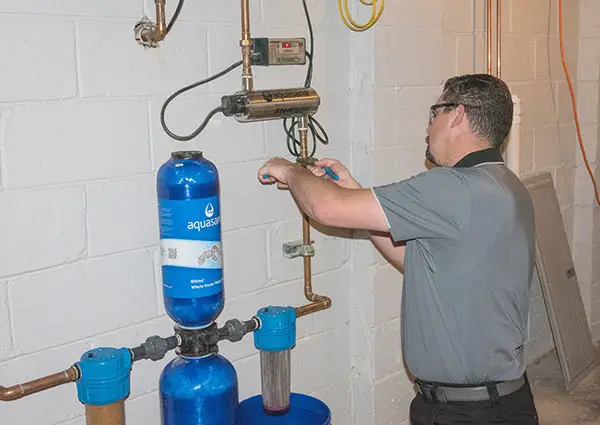
A home water filter system installation is about ensuring that every drop that comes from your faucets is pure enough to drink. These filters remove particles and impurities like dirt, rocks and chlorine, and there’s also a UV lamp that kills bacteria.
Benefits of A Water Filtration System Installation
The chlorine and sediment in tap water find their way into the water you drink, shower with and wash your clothes in. Installing a water filtration system will:
- Give you pure, better tasting water,
- Give you healthier, cleaner skin, and
- Protect your clothes.
In addition to water filtration solutions, we also provide reliable gas line repair services to keep your home safe and fully functional.
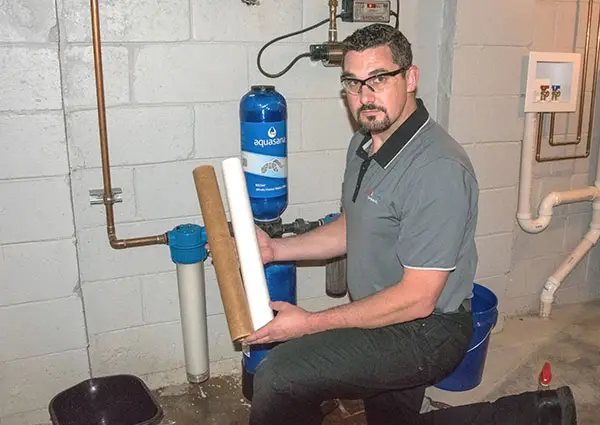
See the Difference: Clean vs. Dirty Water Filter
Frequently Asked Questions: Water Filters & Water Purification
What contaminants are in my tap water?
Contaminants commonly found in tap water include sediment like dirt and organic material, metals like copper and lead, chemicals like chlorine and nitrogen, microorganisms such as bacteria or viruses, and more. To find specific details about the water delivered to your home, check out these Atlanta area water quality reports:
What are the benefits of a whole home water filter system?
There are a wide range of benefits that can be identified from installing a water filtration system in your home, delivering improvements to your lifestyle, your health, and the environment. Benefits include:
- Pure water that is free of odors and tastes great for drinking and cooking.
- Showers and baths that are healthier for your hair and skin.
- Clothes that will last longer and look better.
- Helping the environment by eliminating plastic water bottle use.
How do I know if I need a water filtration system?
The decision for a water filtration system installation is largely one of personal preference and lifestyle. There is no question that water filters improve the quality of your water. We drink, bathe in, cook with, and wash our laundry in the water that is delivered to our homes. If you are sensitive to the idea of consuming, or having your body coming into contact with, the contaminants that exist in municipal water, then a water filter system will help ease those concerns.
Why do you recommend house water filters?
As plumbing professionals, we see firsthand the condition of pipes and infrastructure that deliver water to homes. While municipal systems treat water to meet regulatory standards, the process often introduces chemicals like chlorine.
If you are satisfied with basic municipal water, a filter may not seem necessary. However, if you want higher-quality, bottled-water-level purity directly from your tap, a whole house water filtration system is the ideal solution.
What is the best water filtering method?
The best water filtration method depends on your specific water quality and household needs. However, systems that combine multiple technologies—such as carbon filtration, reverse osmosis, and UV purification—are considered highly effective.
Reverse osmosis systems, in particular, are known for their ability to remove a wide range of contaminants while delivering clean, great-tasting water throughout your home.
How often should I have my water tested?
It’s recommended to test your water at least once a year, especially if you rely on well water or live in an older home with aging pipes. Annual testing helps identify contaminants like lead, bacteria, or hard minerals and ensures your filtration system continues to provide safe, clean water.
Can a water filter remove hard water minerals?
Most standard water filters reduce sediment, chlorine, and chemical contaminants but do not remove hard water minerals like calcium and magnesium. For hard water, you may need a water softener or a combined filtration system that treats both contaminants and hardness.
Will a water filtration system affect water pressure?
When installed properly by professionals, a water filtration system has minimal impact on your home’s water pressure. Modern filtration systems are designed to maintain strong flow rates while effectively removing impurities from your water supply.